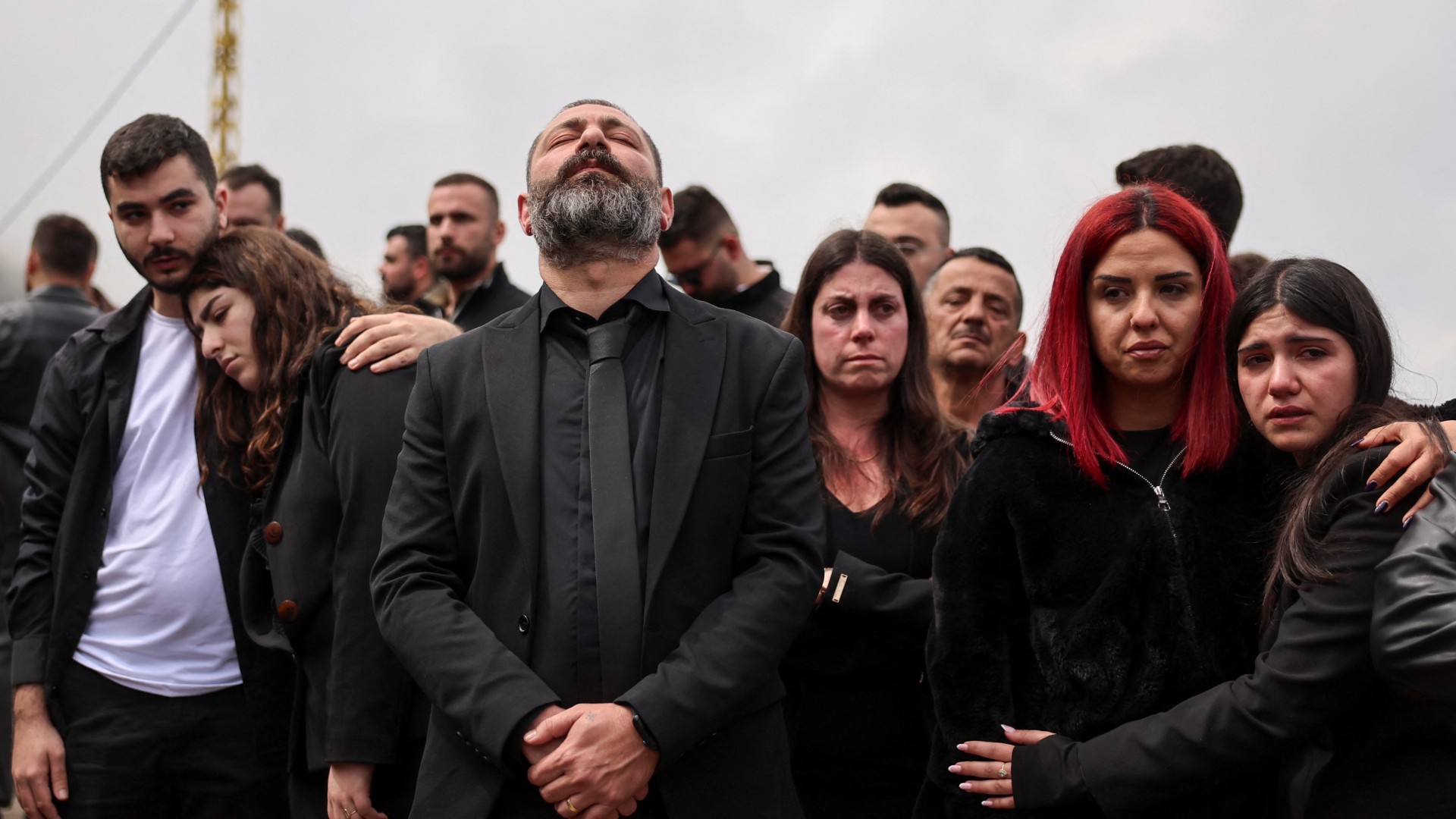
In a significant development, Iran and Pakistan have declared that Lebanon is included in a temporary ceasefire agreement reached between the United States and Iran. However, Israel has denied this claim, as it continues its airstrikes on Lebanese territory. This escalation comes at a sensitive time, with increasing tensions in the region since the onset of the conflict in February.
While Pakistan, which has played a mediating role in the agreement, confirmed that the ceasefire period would last for two weeks, Israel continued its bombardment, raising questions about Lebanon's fate in this agreement. So far, the Lebanese Hezbollah movement has not issued any official statement regarding its position on the ceasefire.
Details of the Event
Events in Lebanon have accelerated since the United States and Israel began their attacks on Iran in late February. In response to the killing of Ayatollah Ali Khamenei, Iran's spiritual leader, Hezbollah launched rockets across the border with Israel. The movement justified this as a preemptive measure against a potential Israeli attack, a rationale supported by reports in Israeli media.
Earlier, Iran conditioned any ceasefire with the United States on halting Israeli attacks on Lebanon, asserting that the new agreement includes an end to the war there. The Iranian Supreme National Security Council reported that the United States had essentially committed to stopping the war on all fronts, including against Hezbollah.
Background & Context
Historically, Lebanon has experienced repeated conflicts with Israel, with the last comprehensive war between the two sides occurring in 2006. Since then, violations of agreed ceasefires have persisted, leading to a deterioration of security conditions in the country. In November 2024, a ceasefire agreement was reached with Hezbollah, but this agreement did not last long.
On March 2, 2026, fighting resumed fully, as Israeli military operations expanded in southern Lebanon, resulting in the deaths of approximately 1,500 people and the displacement of over 1 million others, according to Lebanese authorities.
Impact & Consequences
Concerns are growing that the continuation of fighting could lead to a larger escalation in the region. Israel, which has declared it will continue its operations against Hezbollah, faces international pressure to halt its attacks. The Spanish Foreign Minister condemned the ongoing attacks following the ceasefire announcement, emphasizing the need for it to encompass all fronts.
In contrast, French President Emmanuel Macron welcomed the truce, expressing hope that it would fully include Lebanon. These statements reflect the increasing international concern over the implications of the conflict for regional stability.
Regional Significance
The events in Lebanon are part of a broader conflict in the region, where tensions between Iran and the United States affect many Arab countries. Any escalation in Lebanon could have negative repercussions on security and stability in neighboring countries, such as Syria and Palestine.
In conclusion, the situation in Lebanon remains complex, with overlapping regional and international interests, making it difficult to predict the course of events. The continuation of fighting threatens to spark a new humanitarian crisis in the region.