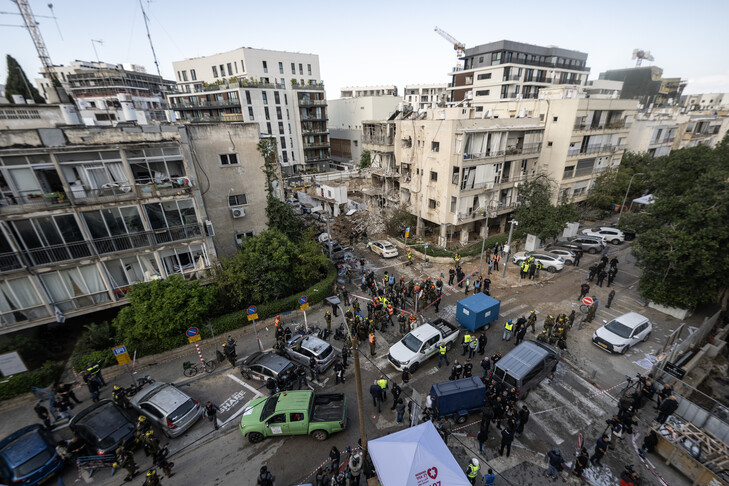
Iranian military sources have announced that Iran is in the process of preparing deterrence operations aimed at Israeli military sites in the occupied territories, following the continued violations of the temporary ceasefire signed in Lebanon. This move comes at a sensitive time as the region witnesses escalating tensions between Iran and Israel, raising concerns about a potential military escalation.
The sources confirmed that these operations aim to send a strong message to Israel, indicating that Tehran will not tolerate any violations that could affect its national security or interests in the region. This escalation is considered part of Iran's broader strategy to counter Israeli threats, especially after recent events along the Lebanese border.
Details of the Operations
These developments follow a series of incidents along the Lebanese border, where reports of shelling and clashes between Israeli forces and armed groups have emerged. These violations are seen as a challenge to the ceasefire, prompting Iran to take concrete steps in response. Iranian military spokespeople have indicated that the operations will include targeting strategic military sites, which could lead to a serious escalation in the conflict.
Through these plans, Iran seeks to strengthen its position in the region, particularly amid increasing tensions with Israel. This move is part of a long-term Iranian strategy aimed at enhancing its influence in the Middle East and asserting its capability to respond to any threats.
Background & Context
Historically, Iranian-Israeli relations have been marked by ongoing tensions, with Iran viewing Israel as a primary adversary in its foreign policy. These tensions have intensified in recent years, particularly following the escalation of Israeli military activities in Syria and Lebanon. Iran perceives these activities as a direct threat to its security, prompting it to bolster its military capabilities and plan deterrence operations.
The situation in Lebanon is also complex, with the interests of several countries, including the United States, Israel, and Iran, overlapping. These dynamics have led to a continuous escalation of the conflict, increasing the likelihood of a broader confrontation in the region.
Impact & Consequences
If Iran proceeds with the announced deterrence operations, it could lead to significant military escalation in the region, threatening the stability of neighboring countries and heightening tensions. Israel may respond directly to these operations, potentially resulting in a cycle of violence. Such developments could also impact international relations, as major powers may be compelled to intervene to contain the situation, posing a significant challenge to diplomatic efforts aimed at achieving peace in the region.
The implications of these actions extend beyond immediate military concerns, as they could reshape the geopolitical landscape in the Middle East, influencing alliances and power dynamics.
Regional Significance
The rising tensions between Iran and Israel underscore the fragile nature of regional stability. As both nations prepare for potential confrontations, the risk of miscalculation increases, which could have far-reaching consequences not only for the immediate area but for global security as well. The international community must remain vigilant and proactive in addressing these tensions to prevent a broader conflict.
In conclusion, the situation remains precarious, with Iran's planned operations representing a significant escalation in its confrontational stance towards Israel. The coming weeks will be critical in determining whether these tensions will lead to a larger conflict or if diplomatic efforts can mitigate the risks involved.