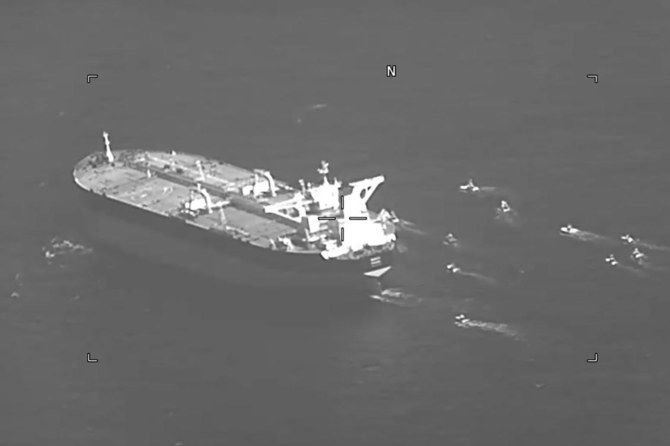
The Iranian Revolutionary Guard has revealed a plan aimed at enforcing a 'new system' in the Strait of Hormuz, which is considered one of the most important waterways in the world. This step comes at a sensitive time characterized by increasing tensions in the region, where the strait serves as a vital artery for oil and natural gas transport.
The Iranian plan includes measures aimed at enhancing control over navigation in the strait, raising international concerns about energy security. The commander of the Revolutionary Guard stated that these measures will bolster Iran's ability to protect its national interests in the face of external threats.
Details of the Initiative
Reports indicate that the Iranian Revolutionary Guard is seeking to implement a series of strategies that include increasing its military presence in the region and developing its defensive capabilities. It has also been noted that these steps are in response to the economic sanctions imposed by the United States on Iran, which have significantly impacted its economy.
The Strait of Hormuz is a vital transit point for about 20% of total global oil exports, making any Iranian movements in this context a focal point of interest for major countries. Many nations have expressed concern over these developments, indicating that any escalation could destabilize the region.
Context and Background
Historically, the Strait of Hormuz has witnessed multiple tensions, especially in recent decades. In 2019, the region experienced a series of attacks on oil tankers, raising alarm in the international community. Additionally, the escalation between Iran and the United States following the latter's withdrawal from the nuclear agreement in 2018 has intensified tensions.
Through these steps, Iran aims to assert its power in the region, particularly amid the economic and political challenges it faces. These movements come at a time when international pressures on Tehran are increasing due to its nuclear program and support for armed groups in the region.
Consequences and Implications
Imposing a new system in the Strait of Hormuz could exacerbate tensions between Iran and Western countries, especially the United States. Western nations are likely to take countermeasures, which could escalate conflict in the region. Furthermore, any escalation in the strait could impact global oil prices, negatively affecting the global economy.
This development poses a significant challenge to maritime security, as it could lead to increased military tensions in the area. Some countries have warned that any attempt to close the strait or reduce navigation could provoke military responses from major powers.
Impact on the Arab Region
Neighboring Arab countries of the Strait of Hormuz, such as the United Arab Emirates and Saudi Arabia, are among the most affected by these developments. Any escalation in the region could impact these countries' oil exports, potentially adversely affecting their economies.
Moreover, these tensions could deepen divisions in the region, as some countries may find themselves forced to choose between supporting Iran or aligning with Western powers. Stability in the Strait of Hormuz is vital for regional and international security, making these developments of significant concern.