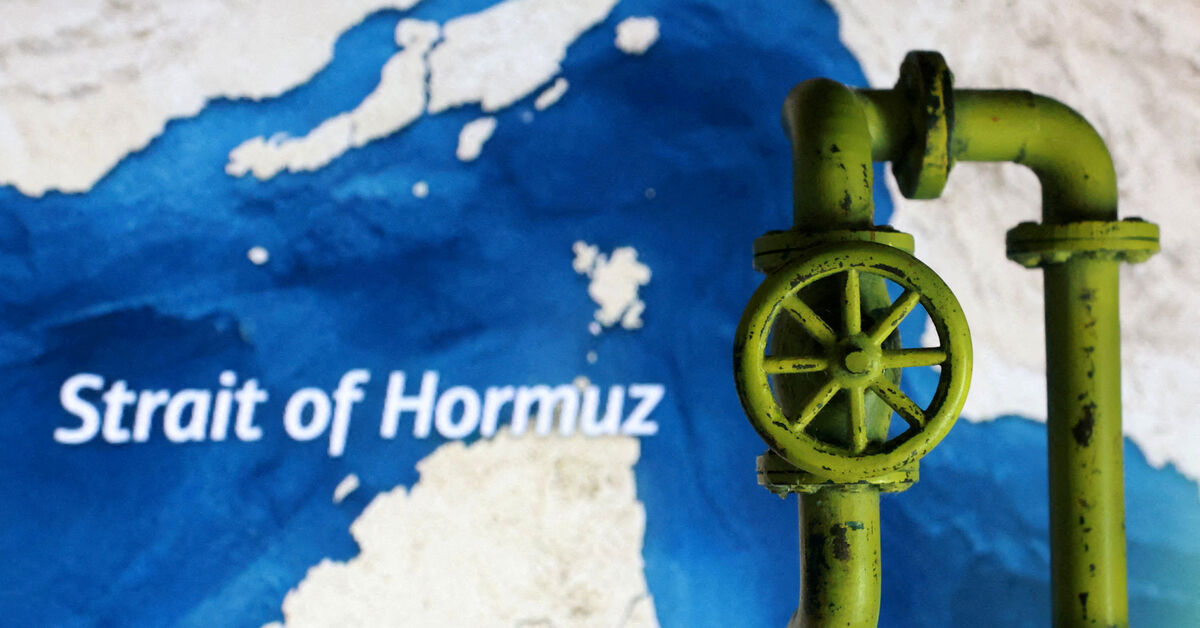
Iran has declared its intention to impose fees on ships transiting the Strait of Hormuz, one of the most vital waterways in the world, through which approximately 20% of global oil supplies pass. This step is part of Iran's proposals aimed at resolving the ongoing disputes with both Israel and the United States, following a prolonged period of traffic disruptions in this critical strait.
The Strait of Hormuz, which stretches 34 kilometers between Iran and Oman, serves as a major transit point from the Gulf to the Indian Ocean. This vital corridor is the primary route for exporting oil and gas, in addition to other essential goods such as fertilizers.
Details of the Announcement
Through this initiative, Iran seeks to strengthen its position in negotiations with major powers, viewing the proposed fees as a means to exert pressure on the involved countries. This move has raised concerns about escalating tensions in the region, especially given the already strained relations between Iran and the United States.
In recent weeks, Iran has increased its military activity in the area, leading to disruptions in navigation within the strait. This situation has alarmed several countries that rely on this corridor for their oil supplies.
Background & Context
Historically, the Strait of Hormuz has been the scene of numerous military and political conflicts, witnessing recurring tensions between Iran and Western nations. In recent years, these tensions have escalated following the United States' withdrawal from the Iranian nuclear deal and the imposition of economic sanctions on Tehran.
Iran considers the Strait of Hormuz a part of its national sovereignty and uses it as a leverage against other nations. The region has seen numerous maritime incidents that have heightened tensions, prompting the international community to closely monitor the situation.
Impact & Consequences
If these fees are implemented, they could significantly impact global oil prices, as many countries depend on oil supplies from the Gulf. This could lead to increased tensions between Iran and Western nations, potentially adversely affecting stability in the region.
Moreover, this step may provoke reactions from major powers, which might seek to secure their maritime routes and bolster their military presence in the area. This could escalate the ongoing conflict and lead to potential military confrontations.
Regional Significance
The Arab countries neighboring the Strait of Hormuz, such as the United Arab Emirates and Saudi Arabia, are among those most affected by these developments. The economies of these nations heavily rely on oil exports, and any disruption in maritime traffic could impact their revenues.
Furthermore, escalating tensions in the region may lead to security repercussions, as the area could witness more maritime incidents, increasing risks for commercial vessels.
In conclusion, Iran's intention to impose fees on ships transiting the Strait of Hormuz represents a strategic move aimed at enhancing its position in the ongoing dispute. However, this action may lead to heightened tensions in the region, raising concerns about stability and regional security.