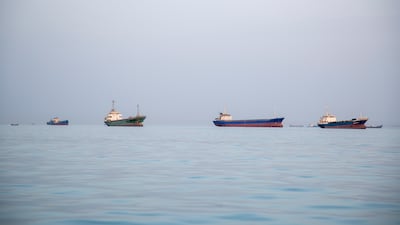
Iran is planning to impose transit fees on vessels crossing the Strait of Hormuz, one of the world's most vital waterways, in a move that may heighten tensions between Tehran and Western nations. This proposal arises amid growing concerns regarding regional stability and maritime security.
The Strait of Hormuz is a crucial transit point for approximately 20% of the world's oil, making any decision regarding fees or restrictions in this corridor significantly impactful on global markets. Iranian officials have indicated that implementing these fees could be a means to bolster the national economy amid ongoing sanctions against the country.
Details of the Proposed Fees
Reports suggest that Iran is considering imposing transit fees ranging from $0.5 to $1 per barrel of oil that passes through the strait, as part of the government's efforts to increase its revenue. This decision is seen as controversial, as it could lead to increased shipping costs and affect global oil prices.
At the same time, some Western nations have warned that such a move could escalate tensions in the region, especially with the presence of U.S. naval forces in the Gulf. The United States has confirmed that it will take measures to protect freedom of navigation, raising the likelihood of maritime confrontations.
Background & Context
Historically, the Strait of Hormuz has witnessed numerous tensions, having been the theater for several military conflicts and threats from Iran. Since the U.S. withdrawal from the Iranian nuclear deal in 2018, tensions between Iran and the West have intensified, negatively impacting the country's economy.
In this context, the proposed transit fees could be perceived as a strategic maneuver by Iran to assert its influence over a critical global shipping route while simultaneously addressing economic challenges exacerbated by international sanctions.
Impact & Consequences
If the decision to impose fees is implemented, it could lead to increased shipping costs, which may adversely affect global oil prices. Companies are likely to seek alternative routes to avoid these fees, potentially disrupting global trade flows. Furthermore, any threat to freedom of navigation could provoke swift reactions from major powers, complicating the situation further.
Analysts suggest that the ripple effects of such a decision could extend beyond immediate economic impacts, potentially leading to heightened military readiness among regional and global powers as they respond to perceived threats to their interests.
Regional Significance
This move by Iran is significant not only for its potential economic implications but also for its geopolitical ramifications. The Strait of Hormuz is a vital artery for global energy supplies, and any disruption could have far-reaching consequences for energy markets worldwide.
As neighboring Arab states may also be economically affected by these fees, the situation could lead to a broader regional dialogue about security and economic cooperation in the face of rising tensions.