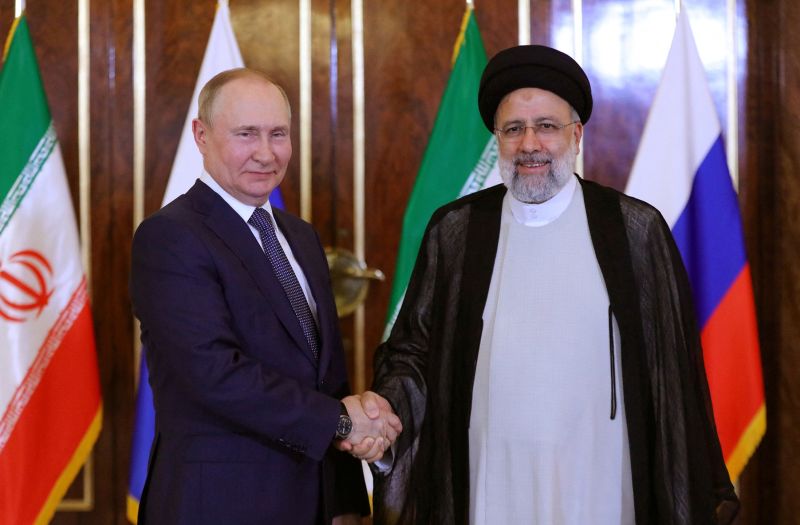
Iran has announced that it is working on a diplomatic response directed at the United States, in a move aimed at ending the ongoing conflicts in the region. This step reflects Tehran's desire to reach peaceful solutions and avoid military escalation that could have dire consequences for regional security.
This announcement comes at a time when the world is witnessing increasing tensions between Iran and the United States, particularly following a series of events that have heightened the strain between the two sides. Iran seeks to bolster its diplomatic position in the face of growing American pressures.
Details of the Event
In official statements, Iranian officials confirmed that the diplomatic response will include proposals aimed at enhancing dialogue and understanding between the two parties. This follows a series of meetings held between Iranian officials and their counterparts in other countries, where outstanding issues contributing to the crisis were discussed.
Through this response, Iran aims to present a comprehensive vision for resolving disputes, including issues related to the Iranian nuclear program, support for armed groups in the region, and the economic sanctions imposed on it.
Background & Context
Historically, Iranian-American relations have been marked by ongoing tensions since the Islamic Revolution in 1979. These tensions have led to a series of military and economic conflicts, negatively impacting stability in the Middle East. In recent years, American sanctions have increased pressure on the Iranian economy, prompting Tehran to seek new ways to negotiate.
This step is seen as an attempt by Iran to rebuild its international relations, particularly with European countries that are keen on preserving the nuclear agreement reached in 2015. There are also increasing calls from the international community for the importance of dialogue as a means to resolve conflicts.
Impact & Consequences
If Iran succeeds in presenting an acceptable diplomatic response, it could lead to a de-escalation of tensions in the region, contributing to the stability of global markets, especially in the energy sector. Furthermore, the success of these negotiations may open doors for improving relations between Iran and Western countries.
On the other hand, Iran may face significant challenges in convincing the United States to change its policy. American statements indicate a lack of intention to ease pressures, making it difficult to reach a comprehensive agreement.
Regional Significance
The Iranian-American relationship is a sensitive issue that directly affects neighboring Arab countries. Tensions between Tehran and Washington could escalate conflicts in areas such as Iraq, Syria, and Lebanon, where Iran plays a key role in supporting certain armed factions.
Therefore, any progress in dialogue between Iran and the United States could have a positive impact on regional security and enhance the prospects for peace in the area. Conversely, continued tensions may exacerbate humanitarian and economic crises in the affected Arab countries.
In conclusion, international and local reactions to this Iranian initiative remain closely watched, as its outcomes could determine the future of relations in the region.