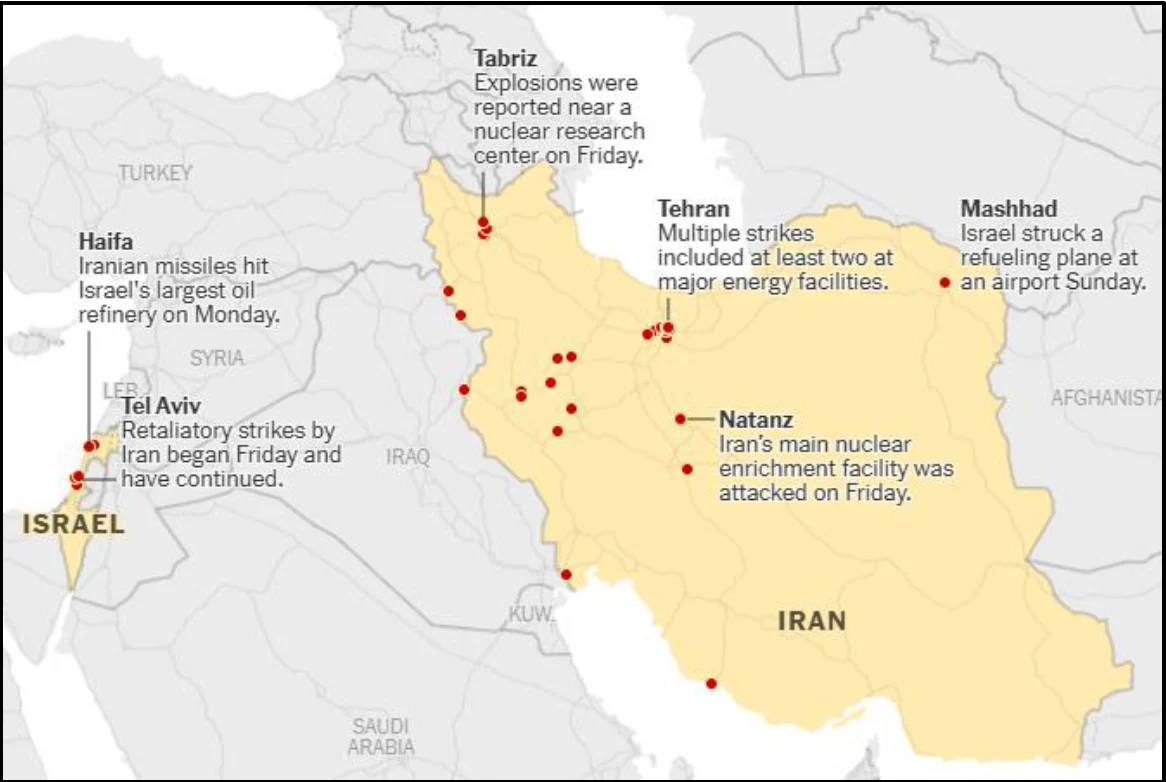
Iran is preparing to enter a new phase of conflict, with the upcoming war depicted as a second epic aimed at renewing the legitimacy of the ruling regime. However, this war could lead to the destruction of what remains of a decent living in the country, raising widespread concern among the public and political circles.
These developments come at a time when Iran is suffering from severe economic crises, as living conditions have deteriorated significantly due to international sanctions and internal pressures. It seems that the Iranian regime is using this war to unify internal ranks and divert attention away from the economic and social crises plaguing the country.
Details of the Event
All eyes are on the steps Iran will take amid potential military escalation. Some analysts have indicated that the regime may use this war as a means to strengthen its authority, exploiting national sentiments to renew popular support. However, the risks associated with this escalation could be significant, as any military escalation may provoke unexpected reactions from regional and international powers.
In this context, fears are growing that the war could worsen humanitarian conditions, as many Iranians live below the poverty line and suffer from severe shortages of basic resources such as food and medicine. Human rights organizations have warned that any military escalation could exacerbate humanitarian crises in the country.
Background & Context
Historically, Iran has witnessed several internal and external conflicts that have significantly impacted its stability. Since the Islamic Revolution in 1979, the country has faced major challenges, from the eight-year Iran-Iraq War to the economic sanctions imposed due to its nuclear program. These events have created a complex backdrop for current conflicts, as the regime seeks to maintain its power amid increasing pressures.
In recent years, Iran has experienced widespread popular protests against the regime, reflecting citizens' dissatisfaction with economic and political conditions. The government has attempted to suppress these protests, but it has failed to address the root causes of the crisis.
Impact & Consequences
If war breaks out, the consequences will be far-reaching, not only for Iran but for the entire region. The war could destabilize neighboring countries, and other regional powers may exploit the situation to their advantage. Additionally, military escalation could lead to external interventions, further complicating the situation in the region.
Moreover, the war could exacerbate humanitarian crises, as any military escalation will directly affect civilians, who are already suffering from difficult living conditions. This could lead to new waves of displacement and migration, increasing pressure on neighboring countries.
Regional Significance
The Arab region is part of the complex landscape that could result from any military escalation in Iran. Neighboring Arab countries, such as Iraq and Syria, may be directly affected, as any conflict could lead to a flow of refugees or even new conflicts. Arab countries may find themselves compelled to deal with the repercussions of the war, whether through humanitarian support or political interventions.
Under these circumstances, Arab countries must be prepared to face the challenges that may arise from any military escalation in Iran and work to enhance regional cooperation to address potential crises.
In conclusion, the war portrayed as a new epic in Iran could carry significant risks, not only for the Iranian people but for the stability of the entire region. Amid current crises, there remains hope that the Iranian regime can avoid escalation and seek peaceful solutions to the challenges it faces.