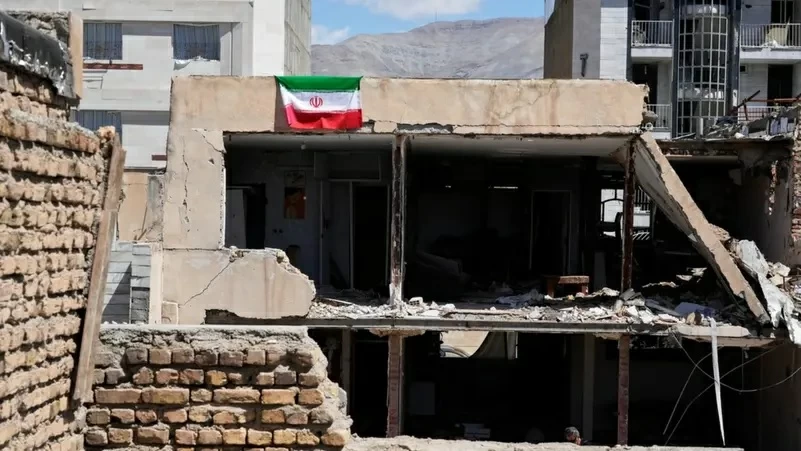
Iranian high-ranking sources have announced a proposal that includes 10 points to end the ongoing conflict with the United States and Israel. The proposal entails lifting the sanctions imposed on Tehran, as well as demanding guarantees against any future attacks, and halting Israeli strikes on Hezbollah.
The Iranian proposal also includes lifting the blockade on the Strait of Hormuz, where Iran will impose fees estimated at around 2 million dollars on each ship passing through the strait, with these fees to be shared with Oman, which is located on the opposite side of the strait. According to Iranian officials, Tehran will use its share of the revenues to rebuild infrastructure damaged by American and Israeli strikes, rather than demanding direct compensation.
Details of the Proposal
Iranian media reported that the proposal was conveyed through Pakistan, emphasizing Iran's rejection of a ceasefire, insisting on the need for a permanent end to the war in line with Iran's considerations. Although official media did not publish the full text of the proposal, they clarified that it includes a protocol for safe passage through the Strait of Hormuz, outlining Iran's demands for lifting sanctions, rebuilding damaged infrastructure, and ending regional hostilities.
In a related context, the American site Politico quoted an informed source stating that the current negotiations are led by Steve Witkoff, the special envoy of President Donald Trump, and Jared Kushner, the president's son-in-law, with J.D. Vance, the vice president, potentially joining them if the duo makes sufficient progress.
Background & Context
These developments come at a time of escalating tensions between Iran and the United States, as relations between the two sides have significantly deteriorated since Washington withdrew from the Iranian nuclear deal in 2018. Since then, the United States has imposed severe economic sanctions on Iran, greatly impacting its economy.
The region has also witnessed an increase in hostilities, with Israeli strikes targeting Iranian sites in Syria, complicating the situation further. In this context, it seems that Iran is seeking a way out of this crisis by presenting proposals that may help alleviate the pressures it faces.
Impact & Consequences
If the Iranian proposal is accepted, it could lead to a radical change in regional dynamics, potentially easing tensions between Iran and the United States and paving the way for dialogue. Lifting sanctions could positively impact the Iranian economy, which may contribute to improving living conditions for citizens.
However, the question remains regarding the willingness of the United States and Israel to accept such terms, especially in light of mutual distrust. History indicates that negotiations with Iran are often complex and challenging.
Regional Significance
These developments directly affect Arab countries, especially those sharing borders with Iran or influenced by its policies. The stability of the region largely depends on how major powers engage with Iran and whether they can achieve an agreement that ensures security and stability.
In conclusion, hope remains for the possibility of progress in negotiations, as peace in the region can only be achieved through dialogue and understanding among all parties involved.