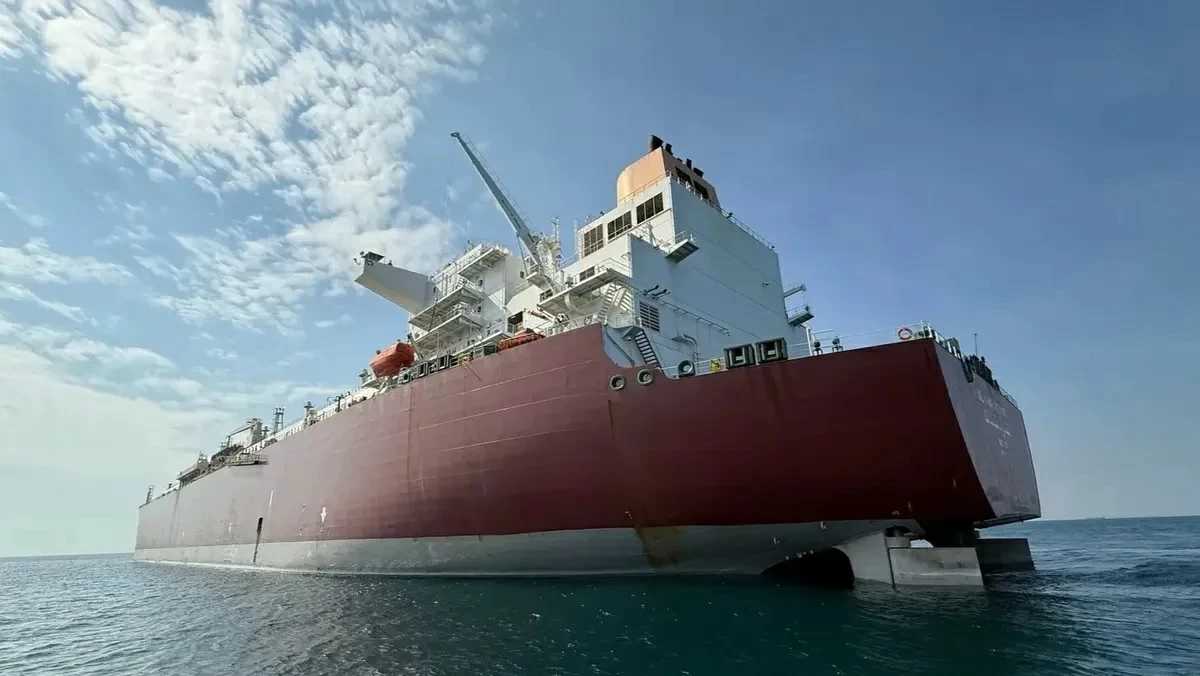
Iranian lawmakers have revealed a new bill designed to formalize Iran's control over the Strait of Hormuz, which includes provisions that prohibit the passage of ships from countries considered hostile to Tehran. This announcement comes at a sensitive time, as military tensions in the region are escalating.
In this context, Iranian Army spokesman Mohammad Akrami Nia vowed that any new attack on Iran would be met with new weapons and warfare methods, indicating that vessels complying with U.S. sanctions will face difficulties in crossing the strait from now on. This statement reflects Iran's intention to bolster its military position in the region.
Details of the Event
In a stern warning, the Iranian Revolutionary Guard stated that any aggression against Iranian vessels would lead to a wide-ranging military response, targeting U.S. bases in the region and hostile ships. This warning followed an attack by U.S. forces on two empty oil tankers flying the Iranian flag, which caused significant damage to the vessels despite a ceasefire being in effect.
The U.S. military justified its attack by claiming that the two tankers were attempting to enter an Iranian port in the Gulf of Oman, which Washington considered a violation of the maritime blockade imposed on Iran. This military escalation heightens tensions between the United States and Iran, reflecting a state of instability in the region.
Background & Context
Historically, the Strait of Hormuz is a vital strategic point, through which approximately 20% of the world's total oil passes. For years, Iran has used this strait as a means to pressure Western countries, especially amid sanctions imposed due to its nuclear program. The region has witnessed numerous incidents that have intensified tensions, making it a focal point for various military and political conflicts.
Recently, Iran's relations with its neighbors, particularly Gulf states, have been increasingly strained, as Iran seeks to enhance its influence in the region. This proposed legislation comes as part of Tehran's efforts to assert its control over these vital waterways.
Impact & Consequences
This escalation could lead to increased tensions between Iran and Western countries, particularly the United States, which may negatively impact maritime navigation in the region. Furthermore, any military escalation could threaten the stability of global oil markets and significantly affect oil prices.
Moreover, Iran's reinforcement of its control over the Strait of Hormuz could provoke reactions from neighboring countries, increasing the likelihood of new military conflicts in the region. This situation necessitates urgent action from the international community to prevent further deterioration of conditions.
Regional Significance
For Arab countries, the escalation of tensions in the Strait of Hormuz represents a direct threat to their security and stability. These countries heavily rely on their oil exports through this strait, and any threat to maritime navigation could adversely affect their economies.
The current situation underscores the urgent need for regional and international cooperation to ensure maritime security and avoid any escalation that could lead to military conflicts. Under these circumstances, Arab nations must be prepared to face the increasing security challenges in the region.