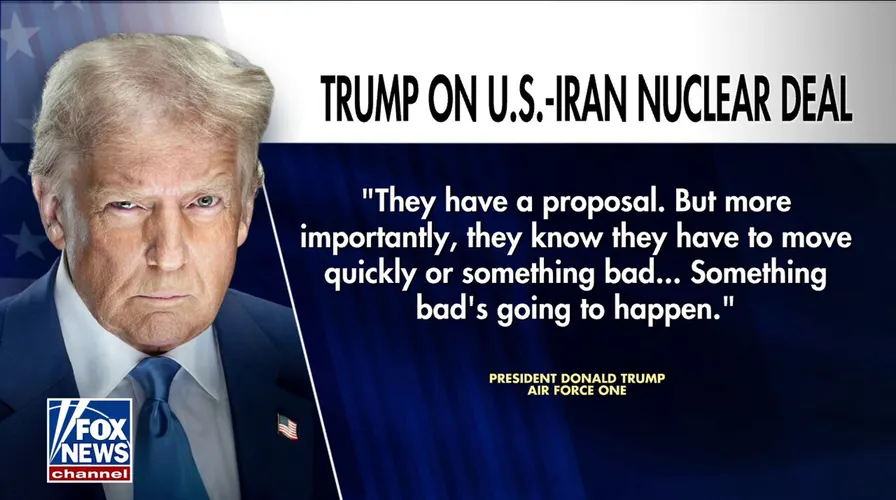
Iran has unveiled a new proposal regarding its nuclear program, suggesting a ten-year deal aimed at alleviating international pressures. This comes at a critical time for negotiations about the future of Iran's nuclear ambitions.
According to informed sources, Iran is seeking to ease the international pressures imposed on it, particularly in light of the economic sanctions it is facing. The proposed deal aims to provide guarantees to the West regarding the peaceful use of its nuclear program, potentially paving the way for a reduction in sanctions.
Details of the Proposal
Reports indicate that the deal includes Iran's commitment not to develop nuclear weapons in exchange for the easing of economic sanctions. It also encompasses mechanisms for verifying Iran's compliance, which would enhance trust among the involved parties. This proposal is believed to be part of Iran's efforts to revive the nuclear agreement signed in 2015, from which the United States withdrew in 2018.
Through this deal, Iran aims to improve its deteriorating economic situation, as the country is grappling with a severe economic crisis due to sanctions. Additionally, this proposal could help improve relations with European countries, which are seeking a peaceful resolution to the nuclear crisis.
Background & Context
Historically, Iran's nuclear program has experienced many fluctuations, having begun in the 1970s, but international concerns have escalated since the early 2000s. In 2015, the Joint Comprehensive Plan of Action (JCPOA) was reached, aiming to reduce Iranian nuclear activities in exchange for the lifting of sanctions. However, the U.S. withdrawal from the agreement led to increased tensions.
In recent years, Iran has ramped up its nuclear activities, raising alarm in the international community. These activities have resulted in new sanctions imposed by the United States and other countries, further intensifying pressures on the Iranian economy.
Impact & Consequences
If the Iranian proposal is accepted, it could lead to a de-escalation of tensions in the region. It may also contribute to rebuilding trust between Iran and Western nations, potentially opening the door for new negotiations on other regional political issues.
However, the acceptance of the deal depends on Iran's willingness to comply with international standards and the readiness of Western countries to make concessions. Should negotiations fail, tensions may escalate once again, negatively impacting regional security.
Regional Significance
The developments surrounding Iran's nuclear program are of significant importance to Arab countries, particularly those concerned about Iranian expansion in the region. If Iran successfully concludes a new deal, it could alter regional dynamics, prompting Arab nations to reassess their security and political strategies.
At the same time, the deal could foster cooperation between Arab countries and Western nations, as all parties seek to achieve stability in the region. It is crucial for Arab nations to remain vigilant regarding any developments that may affect their national security.
In conclusion, the fate of the Iranian proposal remains uncertain, but what is clear is that this issue will continue to be at the forefront of political and economic discussions in the region.