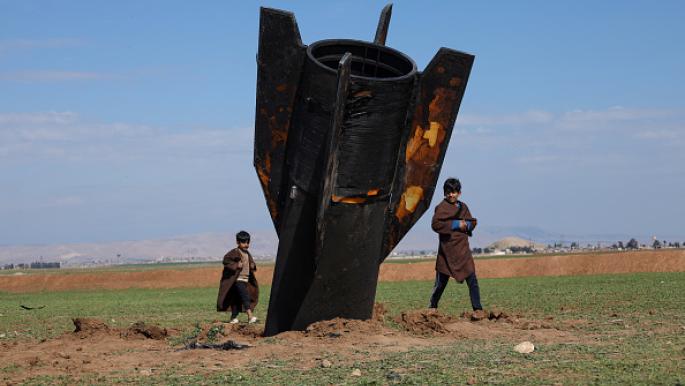
U.S. intelligence reports reveal that Iran is reactivating its missile shelters and launch platforms within hours of being attacked. This information, reported by the New York Times, indicates Iran's ability to quickly restore its military readiness, raising alarm among international circles.
These developments come at a sensitive time when the region is experiencing increasing tensions, as Iran seeks to bolster its defensive capabilities in the face of external pressures. This Iranian move reflects its ongoing strategy to maintain an effective deterrent force despite military and political pressures.
Details of the Event
According to reports, Iran has rapidly updated and activated its missile shelters following the attacks, demonstrating a high level of planning and preparedness. This type of swift response reflects Iran's capability to effectively handle threats, complicating the security landscape in the region.
This information is part of Iran's broader strategy to enhance its military capabilities, as it aims to develop its defensive systems and modernize its arsenal. Reports have shown that Iran is investing in developing new technologies to improve the effectiveness of its missiles and launch platforms.
Background & Context
Historically, Iran has been in a state of tension with the United States and its allies in the region. Since the U.S. withdrawal from the nuclear agreement in 2018, relations between Iran and the West have significantly deteriorated. This deterioration has prompted Iran to enhance its military capabilities as a means of responding to external pressures.
Recent events in the region, including conflicts in Syria and Iraq, have also contributed to strengthening Iran's position as a regional power. This historical context underscores the importance of Iranian preparations amid ongoing tensions.
Impact & Consequences
These developments raise significant concerns among neighboring countries and Israel, as Iran is viewed as a threat to regional security. Iran's ability to quickly reactivate its missile shelters could lead to escalating tensions in the region, increasing the likelihood of new conflicts.
Furthermore, these preparations may affect the strategies of major powers in the region, as the United States and its allies may need to reassess their military policies toward Iran. This situation could lead to further tensions in international relations.
Regional Significance
Arab countries neighboring Iran find themselves in a precarious position, as fears grow over the escalation of Iranian military capabilities. These developments may lead to increased tensions between Iran and Arab states, prompting these countries to respond by bolstering their defensive capabilities.
The situation in Iraq and Syria may also be directly affected, as Iran plays a pivotal role in those conflicts. Iran's enhancement of its military capabilities could lead to escalated conflicts in these areas, impacting regional security and stability.
In conclusion, these developments reflect the importance of closely monitoring the Iranian situation, as its military strategies could significantly influence regional and international security. It requires concerned nations to take proactive steps to ensure stability in the region.