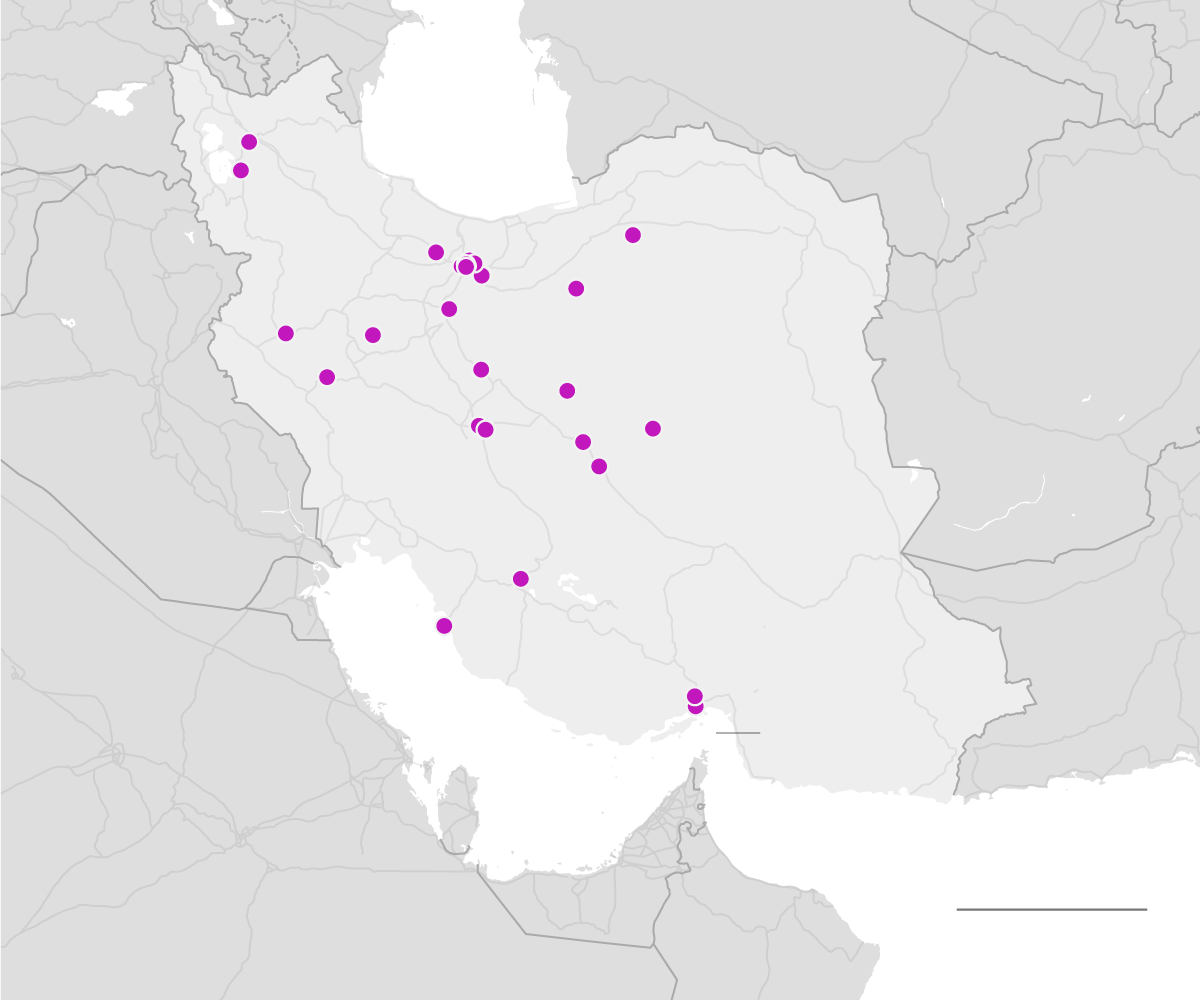
Iran has confirmed that it will not change its nuclear doctrine in response to threats regarding the blockade of the Strait of Hormuz. This statement comes at a time when the region is experiencing increasing tensions, as Iran considers its nuclear program to be an essential part of its defense strategy.
In statements made by Iranian officials, it was emphasized that military threats will not affect the course of Iran's nuclear program. This comes as fears of a potential military escalation in the region grow, especially with the presence of U.S. naval forces in the Arabian Gulf.
Details of the Situation
Tensions are escalating in the Strait of Hormuz, which is considered one of the most important maritime passages in the world, through which approximately 20% of the world's total oil passes. Iranian officials have warned that any attempt to lift the blockade on the strait will be met with a strong response. They also indicated that Iran will continue to develop its nuclear program, which they view as a legitimate right under nuclear non-proliferation treaties.
These statements come at a sensitive time, as Iran seeks to strengthen its position in nuclear negotiations with global powers aimed at reviving the nuclear agreement reached in 2015. However, military threats from the United States and its allies may complicate these negotiations.
Context and Background
Historically, Iran has been under significant international pressure due to its nuclear program, which many countries consider a threat to regional and international security. The United States and its allies have imposed strict sanctions on Iran, significantly impacting its economy. Nevertheless, Iran continues to assert that its nuclear program is peaceful and aims to meet its energy needs.
In recent years, the region has witnessed numerous events that have heightened tensions, including attacks on oil tankers in the Strait of Hormuz, which Iran has been accused of orchestrating. These events have led to an increased U.S. military presence in the region, raising fears of an armed conflict.
Consequences and Implications
Iran's statements underscore the ongoing tensions in the region and could lead to military escalation if U.S. threats persist. Additionally, Iran's refusal to change its nuclear doctrine may impact international negotiations, making it difficult to reach a comprehensive agreement that ensures security and stability in the region.
On the other hand, Iran's continued development of its nuclear program could provoke strong reactions from Western powers, potentially exacerbating the situation and intensifying conflict in the region. This situation may also affect global oil markets, as any escalation in the region could lead to rising oil prices.
Impact on the Arab Region
The tensions in the Strait of Hormuz have a direct impact on neighboring Arab countries, many of which rely on oil passing through this strait. Any military escalation could affect oil supplies and increase energy prices, impacting Arab economies.
Moreover, the ongoing tensions between Iran and the United States could lead to increased divisions in the region, as some countries may find themselves forced to choose between supporting Iran or siding with the United States. This situation could complicate political dynamics in the region and affect regional security and stability.