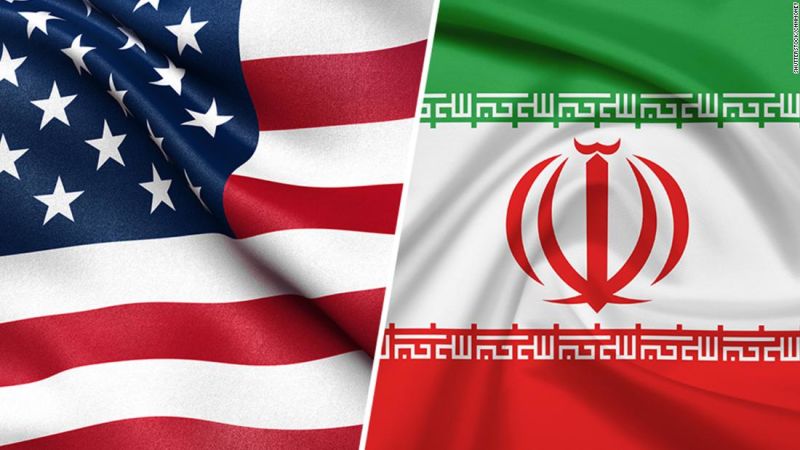
Iran's Foreign Ministry spokesperson, Nasser Kanani, announced that the country will not enter into any negotiations with the United States until the latter ceases its attacks. These statements come at a critical time characterized by escalating tensions between Iran and the United States, complicating the political landscape.
Kanani emphasized that Iran views American attacks on its territory or that of its allies in the region as a blatant violation of sovereignty, stressing the need for the United States to respect international laws. These remarks come amid growing concerns about the potential for military escalation in the region, especially following a series of attacks targeting Iranian sites and those belonging to its allies.
Details of the Incident
In recent days, relations between Iran and the United States have seen increasing tension, as American forces have conducted military operations in Iraq and Syria, provoking angry reactions from Tehran. Kanani revealed that Iran will take all necessary measures to protect its interests and national security, indicating that the country will not hesitate to respond to any aggression.
He also noted that Iran is always seeking dialogue and negotiation but will not accept preconditions or pressures from any party. He affirmed that any negotiations must occur within a framework of mutual respect and non-interference in the internal affairs of states.
Background & Context
Historically, Iranian-American relations have been marked by recurring tensions since the Islamic Revolution in 1979. Economic sanctions and the blockade imposed on Iran have exacerbated the situation, prompting Tehran to bolster its military and defensive capabilities. In recent years, Iran has attempted to negotiate with the United States regarding its nuclear program, but these talks have not yielded tangible results.
The United States considers Iran a threat to regional security, while Tehran views Washington as seeking to destabilize the region by supporting certain regimes and opposing movements. This dynamic reflects the complex geopolitical tensions in the Middle East.
Impact & Consequences
Kanani's statements serve as a clear warning to the United States and may lead to heightened tensions in the region. If American attacks continue, Iran may take military steps in response, potentially leading to direct confrontation between the two parties. This dynamic could impact regional security and complicate situations in Iraq and Syria.
Moreover, the ongoing tensions between Iran and the United States could negatively affect the Iranian economy, which is already suffering from sanctions. Any military escalation could also lead to rising oil prices, impacting global markets.
Regional Significance
Iranian-American relations are pivotal in determining the course of events in the Arab region. Any escalation in these relations could affect neighboring countries, particularly Iraq, Syria, and Lebanon, where Iran holds significant influence. This dynamic may also impact peace and stability efforts in the region.
In conclusion, the question remains as to how the international community will address these tense situations. Will the involved parties be able to find a peaceful solution, or will military escalation be the only available option?