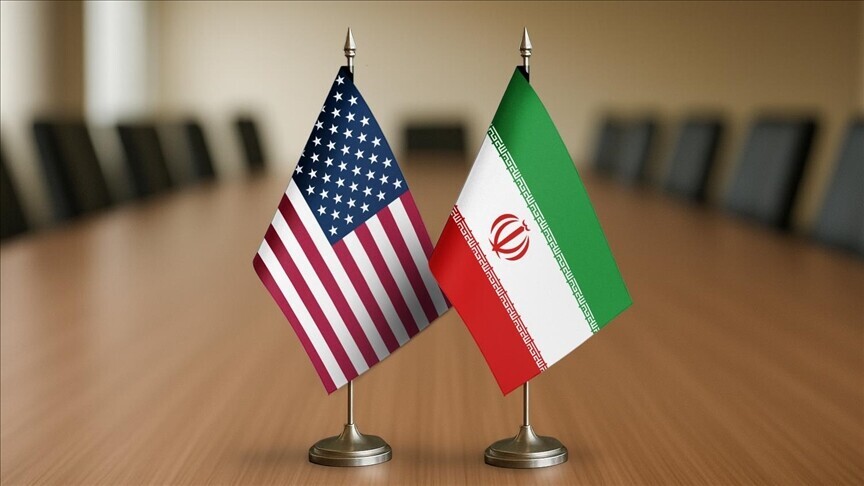
In recent statements, the head of the National Security and Foreign Policy Committee in the Iranian parliament asserted that Iran will not retreat from its nuclear program, pointing to the pressures exerted by U.S. President Donald Trump. He explained that Trump oscillates between threats and calls for an agreement, reflecting a state of instability in American foreign policy towards Iran.
These remarks come at a sensitive time, as tensions between Iran and the United States are escalating, especially following Washington's withdrawal from the nuclear agreement in 2018. This step significantly impacted the relations between the two countries, leading to heightened military and economic tensions.
Details of the Event
The Iranian official stated that his country views its nuclear program as a sovereign right and will not concede it under any circumstances. He also noted that American pressures will not affect Iran's resolve to develop its nuclear capabilities. These statements arise amid growing concerns about the potential escalation of conflict between the two sides, particularly with the ongoing U.S. economic sanctions on Tehran.
In this context, the Iranian official emphasized that Trump seeks to employ various tactics, ranging from direct threats to calls for dialogue, to break the strategic stalemate faced by his administration. This contradiction in American positions reflects a lack of clarity in U.S. foreign policy towards Iran.
Background & Context
Historically, Iranian-American relations have experienced significant fluctuations, with periods of cooperation and others marked by tension. Since the Islamic Revolution in 1979, relations between the two countries have been severely strained, particularly with accusations against Iran of supporting terrorism and developing a nuclear program. In 2015, a nuclear agreement was reached between Iran and six major powers, but Trump's withdrawal from the agreement in 2018 brought relations back to square one.
Following the U.S. withdrawal, Washington imposed stringent economic sanctions on Iran, negatively impacting the Iranian economy and leading to a deterioration in living conditions for citizens. Nevertheless, Iran continues to develop its nuclear program, raising concerns within the international community.
Impact & Consequences
These statements from the Iranian official represent a challenge to American pressures and could lead to escalating tensions in the region. If Iran continues to develop its nuclear program, it may provoke strong reactions from the United States and its allies, increasing the likelihood of military conflict.
Furthermore, the continuation of this tension could affect global oil prices, as Iran is one of the largest oil producers in the world. Any escalation in the conflict could lead to price increases, impacting the global economy.
Regional Significance
Iranian-American relations are pivotal in determining stability in the Middle East. Any escalation in the conflict between the two sides could directly affect Arab countries, especially those sharing borders with Iran or influenced by regional conflicts.
Moreover, the ongoing tensions may lead to increased sectarian divisions in the region, as some Arab countries adopt opposing stances towards Iran, complicating the security and political situations in the area.
In conclusion, the situations in Iran and the United States remain under close observation, as any new developments could significantly impact international relations and regional security.