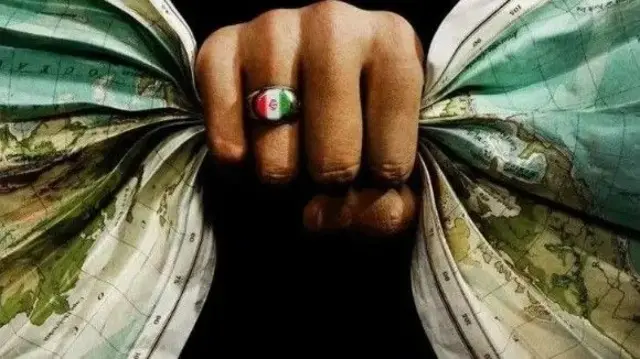
Iran is striving to enhance its control over the Strait of Hormuz, a crucial corridor through which about 20% of the world's oil flows. If this control persists, it could reshape the global system and negatively impact U.S. interests, as reported by Robert Pape, a political science professor at the University of Chicago.
The Strait of Hormuz is a strategic point in global trade, with numerous oil tankers passing through it. Iranian control over this passage could diminish Western nations' ability to influence global energy markets, potentially leading to rising oil prices and increased geopolitical tensions.
Details of the Situation
Iran's military activities in the region are on the rise, with Tehran bolstering its military presence in the Strait of Hormuz by deploying warships and enhancing its naval capabilities. These actions come at a time when tensions between Iran and the United States are escalating, particularly following the latter's withdrawal from the nuclear agreement.
Moreover, Iran has utilized the Strait of Hormuz as a tool to exert pressure on Western nations, threatening to close it if further sanctions are imposed. These threats reflect Iran's desire to leverage its military power as a means to influence international politics.
Background & Context
Historically, the Strait of Hormuz has played a pivotal role in regional conflicts, witnessing numerous crises since the Iranian Revolution in 1979. Since then, Iran has become a key player in regional politics, complicating relations with both Western and Arab nations.
In recent years, Iran has demonstrated its ability to use military strength as a means to pressure its adversaries, positioning itself at the forefront of regional dynamics. This trend reflects Tehran's strategy to enhance its influence in the area, especially as the role of the United States diminishes.
Impact & Consequences
If Iran continues to maintain control over the Strait of Hormuz, it could lead to a reconfiguration of international relations. Oil prices could be significantly affected, which would have repercussions for the global economy. Additionally, this situation may exacerbate tensions between Iran and Western nations, potentially leading to military escalation.
Furthermore, the strengthening of Iranian influence in the region could encourage other countries to adopt more hardline stances against the United States, altering the power dynamics in the Middle East.
Regional Significance
Arab nations neighboring Iran, such as Saudi Arabia and the UAE, are among the most affected by this situation. Increased Iranian control over the Strait of Hormuz may heighten concerns about potential security threats, prompting these countries to bolster their military alliances with the United States and other nations.
This situation could also impact the stability of energy markets in the region, potentially leading to heightened economic and social tensions in Arab countries. Under these circumstances, Arab nations must take proactive measures to protect their interests.
In conclusion, it appears that Iran is seeking to redefine the concept of superpower by strengthening its control over the Strait of Hormuz. This development could have significant implications for the global order and pose challenges to the interests of both the United States and Arab nations alike.