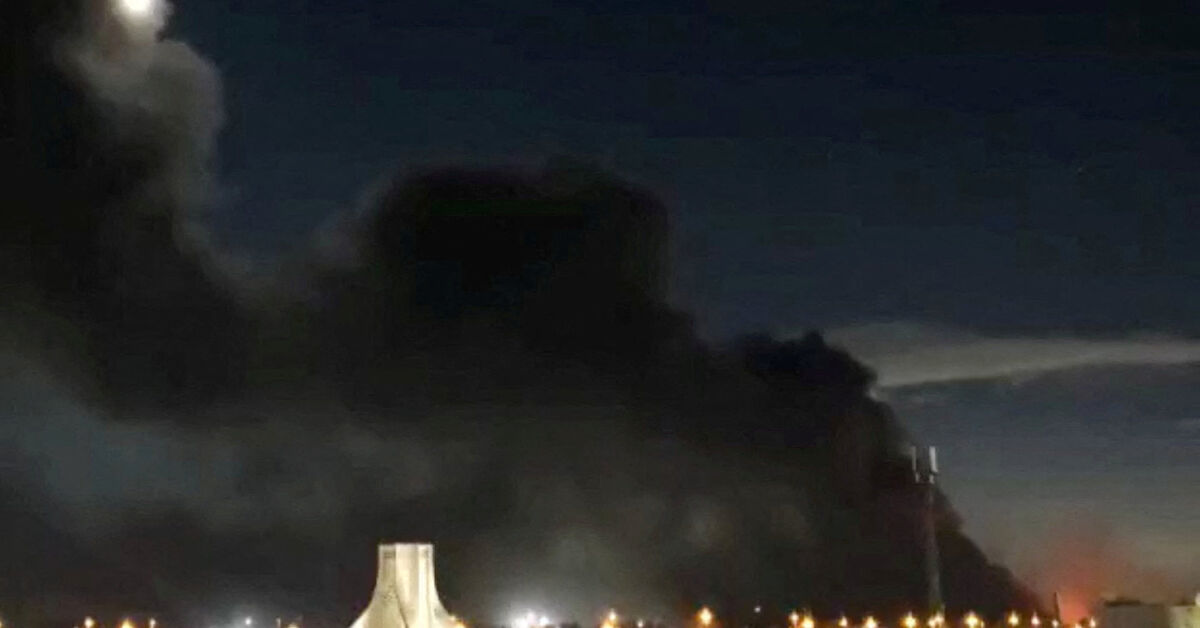
In a move reflecting the complexities of the situation in the region, Iran has announced its rejection of the United States' proposal for a ceasefire in the ongoing conflict. This response was conveyed to Pakistan, where Tehran emphasized the necessity of reaching a comprehensive and lasting solution to end the existing disputes.
The Iranian response consists of ten key points, which include ending conflicts in the region, establishing a protocol to ensure safe passage through the Strait of Hormuz, and lifting the sanctions imposed on the country. The points also encompass plans for reconstruction, reflecting Iran's desire to achieve long-term stability in the area.
Details of the Event
These developments come at a sensitive time, as various international parties seek to calm the situation in the Middle East. Official spokespeople have indicated that Iran believes any agreement must include genuine guarantees for ending conflicts, rather than merely a temporary ceasefire.
Iran considers the sanctions imposed on it as a barrier to achieving peace and stability, as they directly affect the Iranian economy and hinder reconstruction efforts. Additionally, the situation in the Strait of Hormuz, which is one of the world's most important waterways, requires special attention to ensure maritime safety.
Background & Context
Historically, the region has witnessed numerous conflicts that have exacerbated humanitarian and economic conditions. For years, Iran has been suffering from international sanctions due to its nuclear program, further complicating the situation. Tehran has repeatedly attempted to negotiate with major powers, but without achieving tangible results.
In recent years, tensions between Iran and the United States have escalated, especially following Washington's withdrawal from the nuclear agreement in 2018. This withdrawal led to renewed sanctions and significantly impacted the Iranian economy, prompting Tehran to seek lasting solutions to the conflicts in the region.
Impact & Consequences
These developments carry significant implications for regional and international security. Iran's rejection of a ceasefire could lead to an escalation of the conflict, affecting the stability of neighboring countries. Furthermore, the continuation of disputes may hinder international efforts to achieve peace.
Moreover, the situation in the Strait of Hormuz could become more complicated, as this strait is a vital artery for global oil trade. Any escalation in tensions could impact oil prices and increase instability in global markets.
Regional Significance
Considering the conditions in the Arab region, the ongoing disputes in Iran directly affect neighboring countries. Security in Iraq, Syria, and Lebanon is closely linked to the situation in Iran, where Tehran plays a significant role in supporting certain armed factions in these countries.
Stability in the region requires cooperation among all parties, including Iran and Arab states. Therefore, dialogue and negotiation remain the optimal options to avoid further escalation.