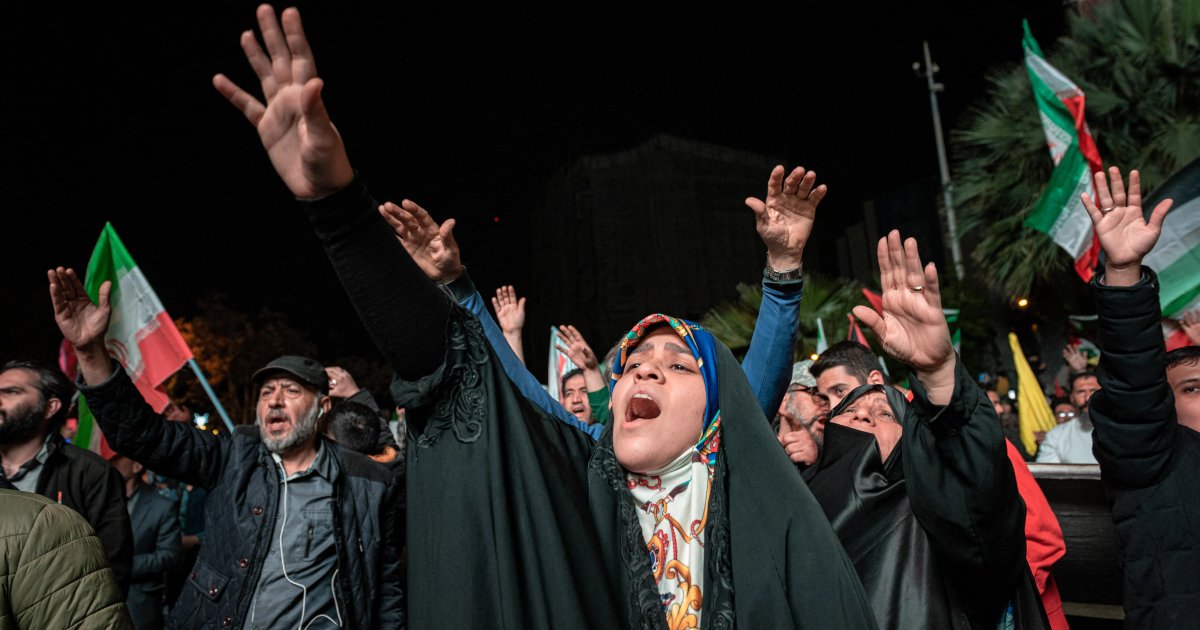
Iran has rejected the idea of a ceasefire with the United States, expressing concerns that halting combat could allow its enemies to regroup and resume attacks. This statement was made by Iranian Foreign Ministry spokesperson Ismail Baqaei, who confirmed that Tehran would not consider any ceasefire proposal unless clear guarantees are provided to prevent the resumption of hostilities.
During a press conference held on Monday, Baqaei explained that "a ceasefire means a period of pause to rebuild strength for launching new attacks. No rational party would accept that." He asserted that any decision related to national security must ensure that no new aggressions against Iran occur.
Details of the Situation
These remarks come at a time when the Middle East is witnessing escalating tensions, particularly following the joint attacks by the United States and Israel on Iran on February 28, 2026. Those attacks resulted in the deaths of at least 1,340 individuals, including the then Supreme Leader of Iran, Ali Khamenei.
In response to these aggressions, Iran launched military strikes using drones and missiles, targeting Israel, as well as Jordan, Iraq, and Gulf countries hosting US forces. These attacks led to significant casualties and damage to infrastructure, negatively impacting global markets and air traffic.
Background & Context
Historically, relations between Iran and the United States have been marked by increasing tensions since the Islamic Revolution in 1979, characterized by conflict and hostility. These tensions significantly escalated after the US withdrawal from the Iranian nuclear agreement in 2018, leading to the imposition of severe economic sanctions on Tehran.
Iran believes that any ceasefire proposal must include strong guarantees, as the history of conflicts in the region shows that previous ceasefires have not been effective in preventing the resurgence of disputes. Additionally, the complex regional situation, including conflicts in Syria and Yemen, complicates the path to a lasting agreement.
Impact & Consequences
These developments could lead to a new escalation in the conflict, as Iran's rejection of the ceasefire may encourage the United States and its allies to take new military actions. The ongoing escalation could affect regional stability and increase the suffering of civilians in conflict areas.
On the other hand, these events may increase pressure on the international community to intervene in order to find a peaceful solution, especially with growing concerns about the spread of conflict to other countries in the region. Furthermore, any military escalation could impact oil prices and global markets in general.
Regional Significance
The neighboring Arab countries to Iran find themselves in a sensitive position, as any escalation in the Iranian-American conflict could affect their security and stability. Gulf countries, in particular, are concerned about potential threats from Iran, which may drive them to strengthen their military alliances with the United States.
Ultimately, the situation in the Middle East remains complex, with overlapping political and military interests, making it difficult to predict the course of events. Intensive diplomatic efforts are required to avoid further escalation and ensure lasting peace in the region.