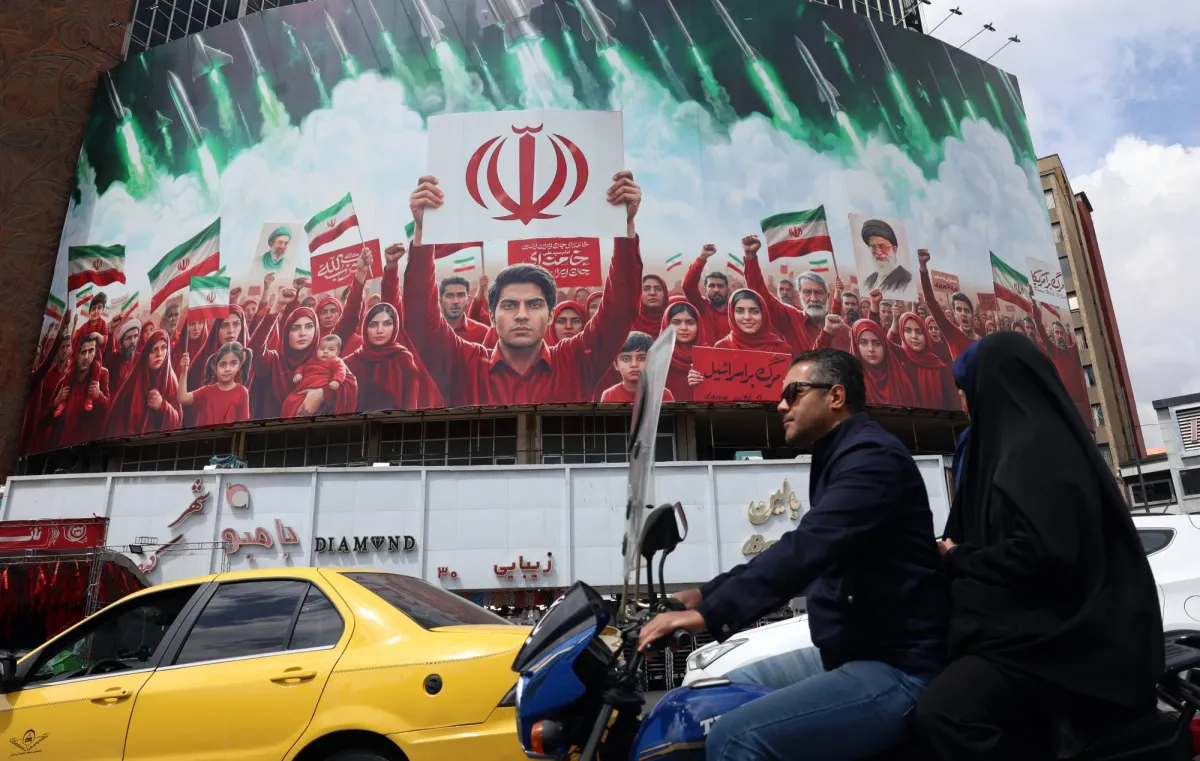
Iran has officially rejected the United States' proposal for a temporary ceasefire, emphasizing the need for a permanent end to the war. This announcement follows Iran's communication with Pakistan, which has acted as a mediator in the discussions regarding the U.S. proposal.
The Iranian news agency IRNA revealed that Iran's response consists of ten points, including the cessation of regional conflicts, a protocol for safe passage through the Strait of Hormuz, lifting sanctions, and reconstruction efforts. This stance reflects Iran's unwillingness to accept any temporary solutions that could strengthen the U.S. position in the future.
Details of the Event
In a related context, sources reported that the Pakistani Army Chief, Asim Munir, has been in intensive contact with American and Iranian officials in an attempt to find a peaceful resolution. However, the White House has lowered expectations, indicating that the Pakistani proposal is merely one idea among several under consideration.
U.S. President Donald Trump has set a deadline for Iran to reopen the Strait of Hormuz, threatening to strike Iranian infrastructure if this does not occur by Tuesday. This escalation comes at a sensitive time, as Iran continues to bolster its military position in the region.
Background & Context
These developments occur amid rising tensions between Iran and the United States, which flared after Washington's withdrawal from the Iranian nuclear agreement. Since then, the region has witnessed numerous clashes and skirmishes, exacerbating the conflict.
Iran, facing economic pressures due to sanctions, seeks to strengthen its position in negotiations, asserting that any ceasefire must be conditional on the lifting of sanctions and recognition of its rights in the region. This position reflects Tehran's desire not to compromise its strategic interests.
Impact & Consequences
Iran's rejection of the temporary ceasefire proposal could lead to greater military escalation in the region, threatening the stability of Gulf states and increasing tensions. Additionally, this stance may impact global oil prices, as any escalation in the Strait of Hormuz, a key transit point for oil shipments, could lead to price hikes.
Ongoing tensions may also exacerbate humanitarian crises in the region, where many countries are suffering from the consequences of ongoing conflicts. Furthermore, the continuation of the war could hinder reconstruction and development efforts in the affected nations.
Regional Significance
The neighboring Arab states of Iran find themselves in a sensitive position, as any military escalation could directly affect their security and stability. Gulf states, in particular, are closely monitoring the situation, as any threat to the Strait of Hormuz could impact oil supplies and increase energy costs.
Moreover, the ongoing conflict may lead to heightened sectarian tensions in the region, complicating the political and social situations in Arab countries.
In conclusion, the situation in the region appears to be heading towards further complexity, as Iran rejects any temporary solutions and insists on the need for a permanent end to the war. This stance could lead to greater military escalation and increase tensions in the area.