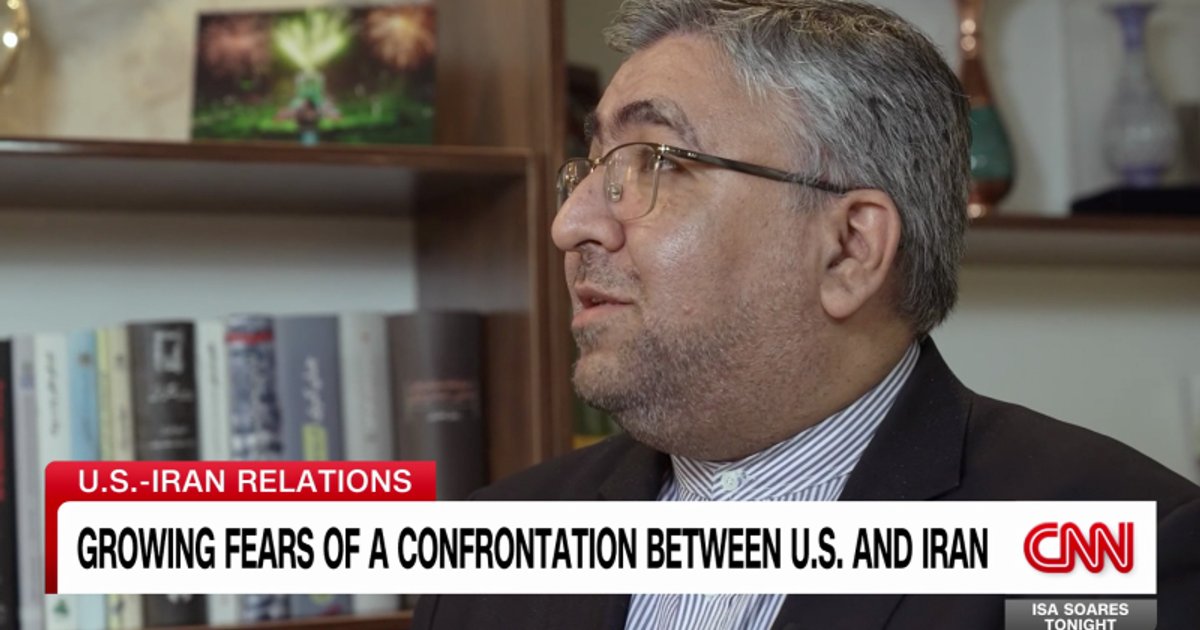
In a new development on the political front, Iran has confirmed its refusal of any temporary ceasefire with the United States, stressing the importance of reaching a permanent peace agreement. This was reported by an Iranian official to Reuters, who indicated that Tehran is holding firm on specific conditions that include halting attacks on its territory and guarantees against their recurrence.
The Iranian conditions also include compensation for the damages incurred during the conflict, reflecting its strong position in negotiations. The official added that Iran seeks to establish an agreement that would allow it to impose fees on ships transiting through the Strait of Hormuz, a sensitive point in international relations.
Details of the Proposal
In a related context, reports from the New York Times indicated that Iran has presented a 10-point proposal to end the conflict with the United States and Israel. This proposal includes lifting sanctions imposed on Iran, guarantees against future attacks, and halting Israeli strikes on Hezbollah.
In return, Iran has pledged to lift the blockade on the Strait of Hormuz while imposing fees estimated at around $2 million per ship, with revenues to be shared with Oman. Tehran aims to use this step to rebuild its damaged infrastructure rather than demanding direct compensation.
Background & Context
These developments come at a sensitive time, as the conflict between Iran and the United States has entered its 39th day. Pakistan has played a mediating role in conveying the Iranian proposal, reflecting the complexity of the regional situation. Additionally, Iranian state media have emphasized the need to end the war permanently in line with Iran's interests, reiterating its rejection of any temporary ceasefire.
It is noteworthy that the world is watching closely as the deadline set by U.S. President Donald Trump for Iran regarding the opening of the Strait of Hormuz approaches. Should Iran fail to comply, it may face severe consequences, escalating tensions in the region.
Impact & Consequences
As pressures on Trump increase from regional and international allies, concerns about a potential escalation in the conflict are rising. The Iranian Revolutionary Guard has warned that any aggression against Iran will be met with a strong response, which could deprive the United States and its allies of oil and gas from the region for many years.
Fears are mounting that the hours leading up to the deadline may open the door to renewed escalation or perhaps a temporary settlement. The current situation represents a critical moment in U.S.-Iranian relations and could significantly impact regional stability.
Regional Significance
These developments hold great importance for the Arab region, as any escalation in the conflict could affect the security and stability of neighboring countries. Additionally, imposing fees on ships transiting through the Strait of Hormuz could disrupt global trade, negatively impacting Arab economies.
In conclusion, the situation in the region remains tense, with the world awaiting the outcome of negotiations between Iran and the United States. Any escalation or settlement could have far-reaching effects on international relations and regional security.