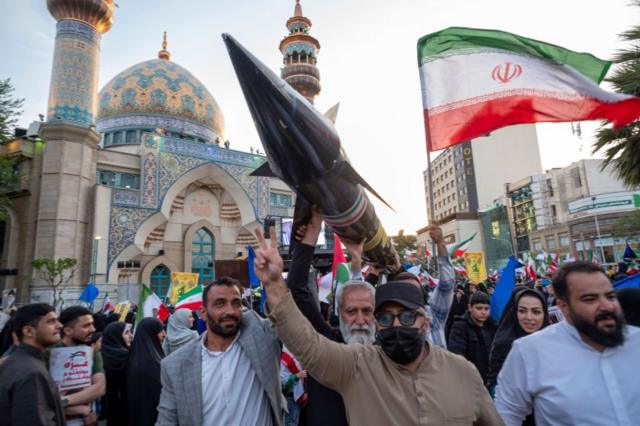
Iran has rejected U.S. President Donald Trump's 15-point plan to end the war, according to the official Iranian television Press TV. A senior political and security official in Tehran confirmed that there are five specific conditions that Iran must have met before reaching any agreement.
The Iranian conditions include ending "aggression and assassinations by the enemy," as well as demands for compensation for damages caused by the war. In contrast, Trump's plan includes a commitment from Iran not to build nuclear weapons and to reopen the Strait of Hormuz, which is considered a vital corridor for oil and gas transport.
Details of the Event
The war began on February 28 after U.S. and Israeli airstrikes, leading Iran to escalate its attacks against U.S. allies in the Gulf. In this context, Trump stated that Iran is "eager" to negotiate, indicating that Iranian negotiators offered the U.S. a "great gift" related to oil and gas.
However, the Speaker of the Iranian Parliament Mohammad Baqer Qalibaf denied any existence of negotiations with the United States, asserting that the circulating news aims to manipulate financial and oil markets.
Background & Context
The roots of the current conflict stem from U.S. accusations against Iran of attempting to develop nuclear weapons, which Tehran vehemently denies. The war has also resulted in the deaths of several Iranian officials, including the Supreme Leader Ali Khamenei, complicating the situation further.
Trump's plan also includes demands for Iran to reduce its missile program and stop funding armed groups in the region such as Hezbollah in Lebanon, Hamas in Gaza, and Ansar Allah in Yemen. Iran is also required to reopen the Strait of Hormuz to be a "free maritime corridor."
Impact & Consequences
If Trump's conditions are accepted, it could lead to a radical change in relations between Iran and the United States and may contribute to stabilizing the region. However, the Iranian conditions require strong guarantees to prevent the re-imposition of war, which may be difficult to achieve.
Concerns are growing that any further escalation could lead to increased oil prices and negatively impact the global economy, especially with the ongoing sanctions imposed on Iran since last November.
Regional Significance
Arab countries are directly affected by these developments, as any escalation in the conflict could reflect on the stability of the region. Gulf states, in particular, are closely monitoring the situation, as any closure of the Strait of Hormuz could affect global oil supplies.
In conclusion, the situation in the region remains tense, with ongoing calls for peace, yet the mutual conditions reflect the depth of the chasm between the two parties, making it complex to reach a lasting agreement.