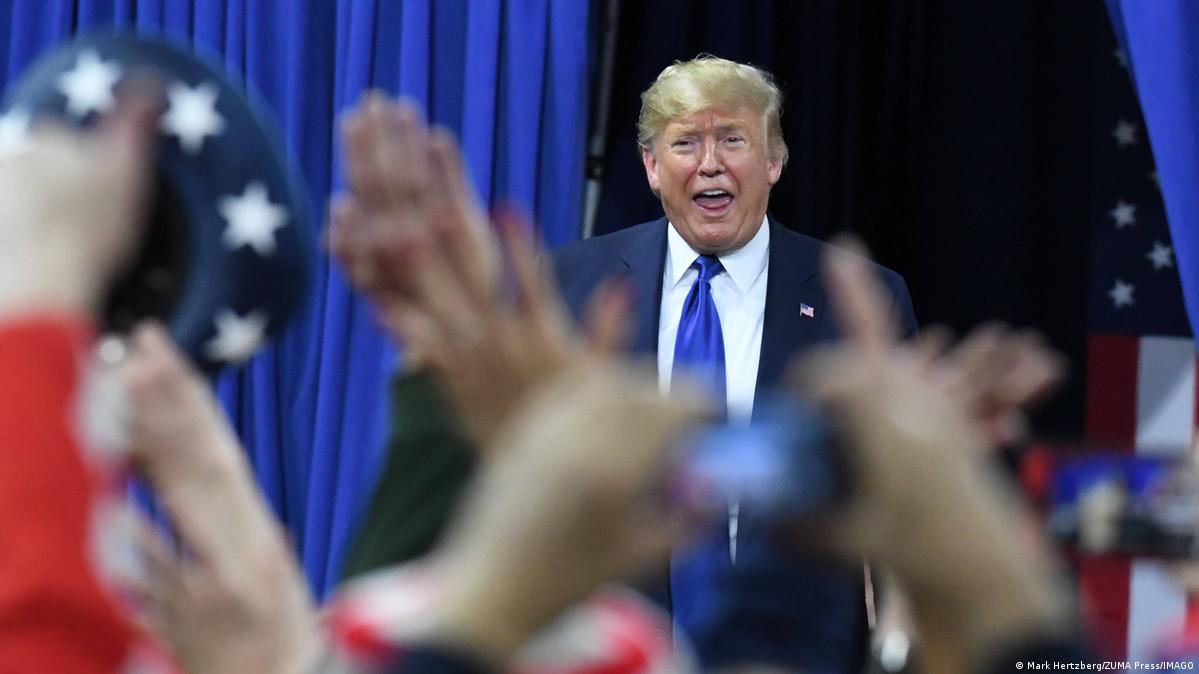
Iran's English-speaking channel, Press TV, reported on Wednesday that the Iranian government has communicated to the United States, through intermediaries, its rejection of the proposal put forward by President Donald Trump's administration for negotiations. This proposal includes 15 points, reflecting the complexities of the relationship between Tehran and Washington under current circumstances.
This move comes amid increasing tensions in the region, as the United States seeks to reshape its strategy towards Iran, which it views as a threat to regional security. Iran's rejection underscores its steadfast position in the face of American pressures.
Details of the Proposal
The proposal presented by the Trump administration includes a series of conditions aimed at renegotiating the Iranian nuclear agreement. These conditions were introduced in the context of Washington's attempts to pressure Tehran to curtail its nuclear program. However, Iran has not hesitated to express its refusal of these conditions, indicating a continued stalemate in negotiations.
This rejection comes at a critical time when there were hopes for resuming talks between the two sides after a period of heightened tensions. Nevertheless, Iran appears determined not to compromise on its sovereign rights, reflecting the significant challenges facing diplomacy in this context.
Background & Context
Historically, U.S.-Iranian relations have experienced significant fluctuations, with tensions beginning after the Iranian revolution in 1979. Since then, the United States has imposed stringent economic sanctions on Iran, severely impacting the Iranian economy. In 2015, the nuclear agreement was reached, but the U.S. withdrawal from the agreement in 2018 brought relations back to almost square one.
Iran is now seeking to strengthen its position in negotiations, believing that any concessions could exacerbate both internal and external situations. In this context, the importance of regional and international support for Tehran emerges, which may influence its future strategies.
Impact & Consequences
Iran's rejection of the U.S. proposal carries wide-ranging implications on both regional and international levels. This refusal could escalate tensions in the Middle East, where Iran is considered a key player in many regional conflicts. Additionally, the continuation of this stalemate may affect the stability of global markets, particularly in the energy sector.
Moreover, this stance could strengthen the position of other powers in the region, such as Russia and China, which are seeking to bolster their relations with Iran. Therefore, any escalation in relations between Tehran and Washington could shift the balance of power in the region.
Regional Significance
Neighboring Arab countries, such as Saudi Arabia and the United Arab Emirates, are among the most affected by the tensions between Tehran and Washington. These countries are closely monitoring the developments, fearing that any escalation could have negative repercussions on their security and stability.
Arab nations seeking to improve their relations with Iran may find themselves in a difficult position, requiring a delicate balance between national interests and international pressures. Consequently, the current situation could impact peace and stability efforts in the region.
In conclusion, the future of Iranian-American relations remains uncertain, necessitating significant diplomatic efforts to overcome current obstacles. As Iran continues to reject U.S. proposals, the situation may trend towards further complexity and tension.