On Tuesday, Iran rejected the threats made by U.S. President Donald Trump to destroy the country and confirmed that it would not reopen the Strait of Hormuz before the specified deadline. Trump stated that Iran could be destroyed in one night, which could occur on Tuesday, the deadline he set for Iran to comply with his demands.
In his statements, Trump reiterated his threats to strike Iranian bridges and power stations, claiming that the Iranian people would be "ready to endure suffering" if it would help them gain their freedom. For its part, Tehran warned that the consequences of such attacks would extend beyond the region.
Details of the Incident
Iran rejected a U.S. proposal mediated by Pakistan for an immediate ceasefire and the effective lifting of the blockade on the Strait of Hormuz, followed by talks on a broader peace settlement within 15 to 20 days, according to a source familiar with the plan. Iran's responses included ten points, such as ending regional conflicts, establishing a protocol for safe passage through the Strait of Hormuz, lifting sanctions, and reconstruction, as reported by the Iranian news agency (IRNA).
On Monday, Trump stated, "The country can be destroyed in one night, and that night could be tomorrow." He confirmed that he would destroy power stations and Iranian infrastructure if Tehran did not agree before the deadline. Without an agreement, Trump said, "Every bridge in Iran will be destroyed" by midnight Eastern Time (0400 GMT) on Wednesday, and "every power station in Iran will be out of service, burned, exploded, and will never be used again."
Background & Context
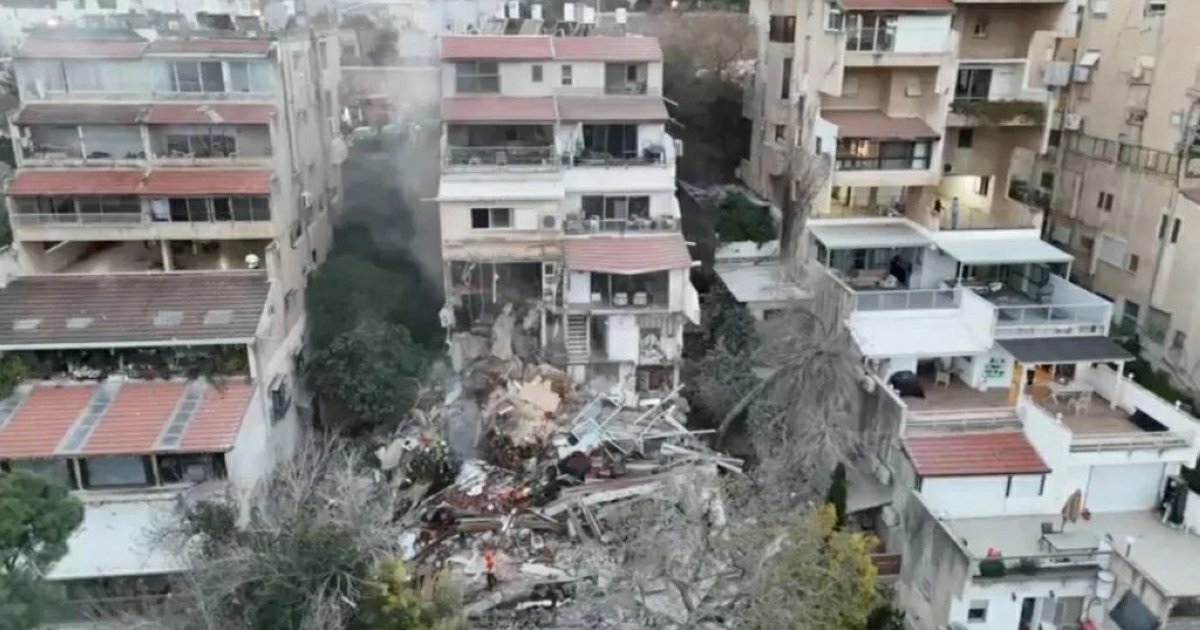
These threats come at a sensitive time, as Israeli air forces completed a wave of airstrikes targeting Iranian government infrastructure in Tehran and other areas. Saudi Arabia also intercepted ballistic missiles heading toward its eastern region, with debris falling near energy facilities, without identifying the source of the missiles.
At the same time, both Saudi Arabia and the UAE issued general safety warnings on Tuesday. Trump ignored questions about whether his threats to destroy Iranian power stations would constitute war crimes, stating he was "not concerned at all" about that possibility. He expressed hope that he would not have to carry out such actions.
Impact & Consequences
Trump's statements have raised significant concerns at both regional and international levels, with the Iranian ambassador to the United Nations considering Trump's threat as "a direct incitement to terrorism" and providing clear evidence of an intention to commit war crimes under international law. Iranian Deputy Minister of Sports, Ali Reza Rahimi, called on artists and athletes to form human chains in front of power stations across the country.
Meanwhile, a Jewish synagogue in central Tehran was severely damaged by an American-Israeli missile, according to the semi-official news agency Mehr. Oil prices continued to rise, exceeding $110 per barrel as the deadline set by Trump approached, raising concerns about global inflation.
Regional Significance
These events indicate a rise in tensions in the region, as the closure of the Strait of Hormuz, considered a vital passage for about one-fifth of the world's oil and natural gas supplies, could significantly impact the global economy. Additionally, military escalation between Iran and the United States could draw other countries in the region into a larger conflict, complicating the situation in the Middle East.
In conclusion, this escalation between Iran and the United States demonstrates how military threats can exacerbate crises in the region, necessitating cautious stances from Arab countries amidst these tense circumstances.