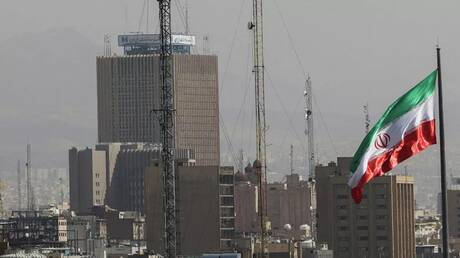
Iran has rejected a US proposal to end the war, with a senior Iranian political security official stating that Tehran insists on conditions that align with its own timeline and interests. These remarks come at a sensitive time as international pressure on Iran to return to the negotiating table increases.
The unnamed Iranian official indicated that the United States is once again trying to impose its terms, accusing it of crafting a new 'trick' after the failure of previous negotiations. This stance reflects the ongoing tensions between Tehran and Washington, which have notably escalated in recent times.
Details of the Proposal
In this context, the US proposal included a set of conditions that Tehran deemed unacceptable. The Iranian official pointed out that any agreement must take into account Iranian national interests and should be negotiated directly without any external interference. These statements come amid growing fears of a potential military escalation in the region, complicating the security situation further.
The Iranian official also added that Tehran will not accept any form of agreement that imposes unfair conditions upon it. It appears that Iran is seeking to strengthen its position in negotiations by emphasizing its independence and right to dictate the course of talks.
Background & Context
Historically, Iranian-American relations have been marked by ongoing tensions since the Islamic Revolution in 1979. The US economic sanctions imposed on Iran have exacerbated the economic and social conditions within the country, leading the Iranian government to adopt a more hardline stance regarding negotiations.
In recent years, the United States and its allies have attempted to re-impose pressure on Iran through various strategies, including military and economic sanctions. However, Iran continues to assert that it will not back down from its sovereign rights, further complicating the political landscape in the region.
Impact & Consequences
Iran's rejection of the US proposal could lead to heightened tensions in the region, as the United States may take additional steps to bolster its military presence in the Arabian Gulf. This escalation could significantly impact regional security and increase the likelihood of new armed conflicts.
Moreover, the continuation of these tensions could adversely affect the Iranian economy, as ongoing sanctions may exacerbate economic and social crises. The situation could also impact Iran's relations with other countries in the region, complicating the political landscape further.
Regional Significance
The Iranian-American relationship is a key focal point in regional politics, directly influencing neighboring Arab countries. Any escalation in tensions between Tehran and Washington could have negative repercussions for security and stability in the Gulf Arab states.
Additionally, the ongoing crises in the region may enhance the role of armed groups that benefit from political chaos, increasing the security challenges faced by Arab nations. Therefore, close monitoring of developments in this context is essential.
In conclusion, it seems that Iran is steadfast in its refusal to accept any proposals that do not align with its national interests, further complicating the political landscape in the region. As international pressures continue, the question remains open regarding how events will unfold in the coming days.