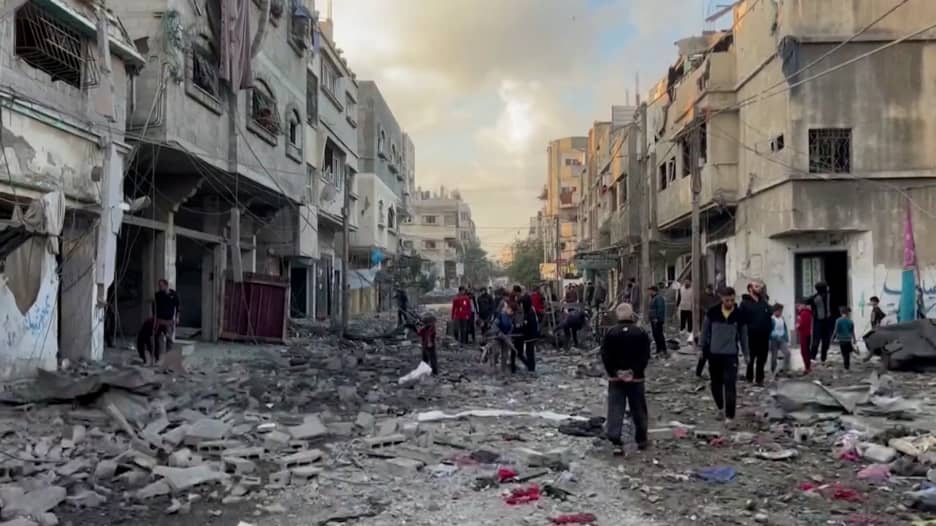
The Iranian Ministry of Education has announced the deaths of 243 students and teachers since the onset of the war on February 28, highlighting the devastating impact of the conflict on civilians. These figures come at a time when concerns are growing regarding the war's effects on public infrastructure and vital facilities.
According to the Iranian Red Crescent Society, over 80,000 civilian facilities have been destroyed or damaged due to airstrikes carried out by the United States and Israel. The head of the society, Pir Hossein Kolivand, confirmed to Reuters that the attacks have targeted around 500 schools and 266 medical facilities, including hospitals, clinics, and pharmacies.
Details of the Incident
Attacks on residential and civilian areas have significantly increased, with Kolivand noting that the number of assaults continues to rise, raising concerns about the safety of children, women, and the elderly. These numbers reflect the scale of the humanitarian disaster that Iran is experiencing amid the ongoing conflict.
These developments come at a time when the Iranian regime is facing internal and external pressures, with international criticism mounting regarding its treatment of civilians during the conflict. Additionally, these events raise questions about the future of education in the country, as schools are under immense pressure due to the ongoing strife.
Background & Context
Since the outbreak of the conflict in Iran, the country has witnessed a rise in military and political tensions. Historically, Iran has always been a center of regional conflicts, where the interests of major powers intersect. The current conflict reflects the complexities of the regional situation, with several countries competing for influence in the Middle East.
It is noteworthy that education in Iran has faced significant challenges even before the conflict, including funding issues and resource shortages. Now, with the increasing attacks on schools, the future of education in the country appears more uncertain.
Impact & Consequences
The repercussions of the conflict in Iran extend beyond national borders, affecting regional stability. The rising number of civilian casualties could exacerbate humanitarian crises, necessitating an urgent international response. Furthermore, the destruction of educational and health infrastructure may hinder development efforts in the country for decades to come.
Politically, this situation could increase pressure on the Iranian government, potentially contributing to escalating popular protests against the regime. Simultaneously, external powers may exploit the situation to enhance their influence in the region, further complicating matters.
Regional Significance
The situation in Iran is part of a larger picture that includes conflicts in the Middle East. Humanitarian crises in Iran could affect neighboring countries, as the number of refugees and migrants may increase as a result of the conflict. Additionally, rising tensions in Iran may reflect on the relationships between Arab countries and Iran, complicating the regional landscape.
In conclusion, the conflict in Iran poses a significant challenge not only for Iranian civilians but also for the entire region. The situation requires an urgent response from the international community to ensure the protection of civilians and to achieve peace and stability in the area.