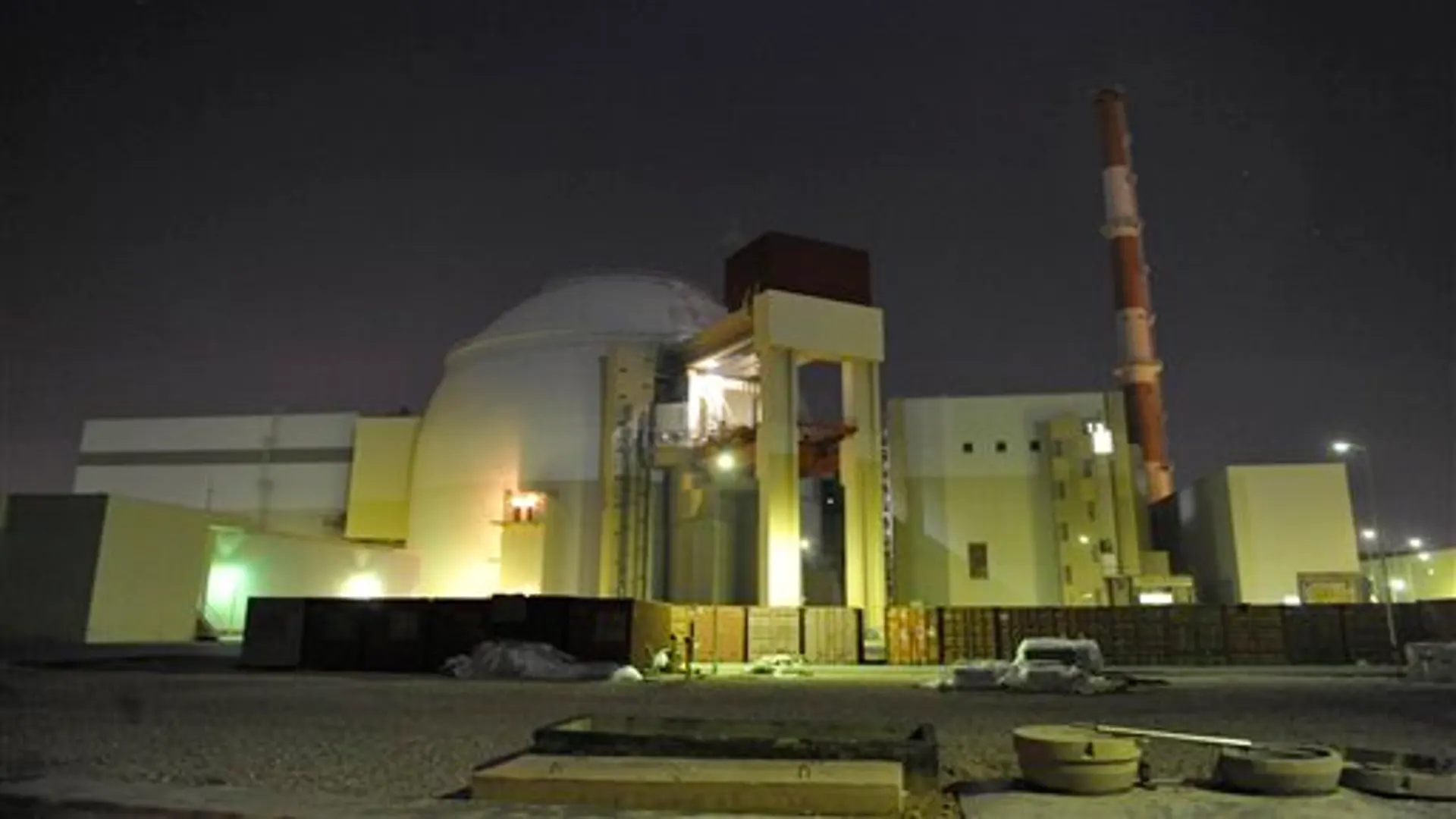
Iran has announced that it was attacked near the Bushehr nuclear power plant, with reports indicating that the attack resulted in the death of a worker. The incident occurred on Saturday morning, and Iran has informed the International Atomic Energy Agency (IAEA) about the details of this attack.
According to a statement from the Iranian Atomic Energy Organization, the attack was carried out using missiles launched by the United States and Israel, raising concerns about the safety of Iranian nuclear facilities. The IAEA confirmed that one of the missiles struck an area close to the facility, resulting in the death of a security personnel and damage to a building on site.
Details of the Incident
The attack on the Bushehr nuclear power plant is considered the fourth such incident in recent weeks, highlighting the escalating tensions in the region. The IAEA has confirmed that there has been no increase in radiation levels as a result of this attack, which is seen as a positive development amid fears of nuclear accidents.
The agency's director, Rafael Grossi, expressed deep concern over this attack, emphasizing the necessity of not targeting nuclear facilities or their surrounding areas. He called on all parties to exercise restraint to avoid any incidents that could lead to a nuclear disaster.
Background & Context
Historically, Iran has been under significant international pressure due to its nuclear program, with many countries, particularly the United States and Israel, accusing it of seeking to develop nuclear weapons. These tensions have led to a series of attacks and military operations targeting Iranian facilities, complicating the security situation in the region.
The Bushehr nuclear power plant, which is Iran's first nuclear power station, began operations in 2011 and represents part of Iran's efforts to develop its nuclear program for peaceful purposes. However, the repeated attacks demonstrate a persistent concern regarding safety at these facilities.
Impact & Consequences
The recent attack could lead to an escalation of tensions between Iran and Western countries, especially with increasing calls from some nations to tighten sanctions on Iran. Additionally, these incidents may impact negotiations surrounding the nuclear agreement, as involved parties seek diplomatic solutions.
These events may likely result in heightened military preparations by Iran, potentially leading to a cycle of escalation in the region. Attacks on nuclear facilities are considered a dangerous precedent, as they could have severe consequences for regional and international security.
Regional Significance
Arab countries are directly affected by the rising tensions between Iran and Western nations. Attacks on nuclear facilities could provoke military responses from neighboring countries, increasing instability in the region. Furthermore, any escalation in this context could affect oil prices and financial markets, adversely impacting Arab economies.
In conclusion, this incident underscores the importance of enhancing security at nuclear facilities and highlights the need for comprehensive diplomatic dialogue to avoid military escalation that could lead to dire consequences for the region and the world.