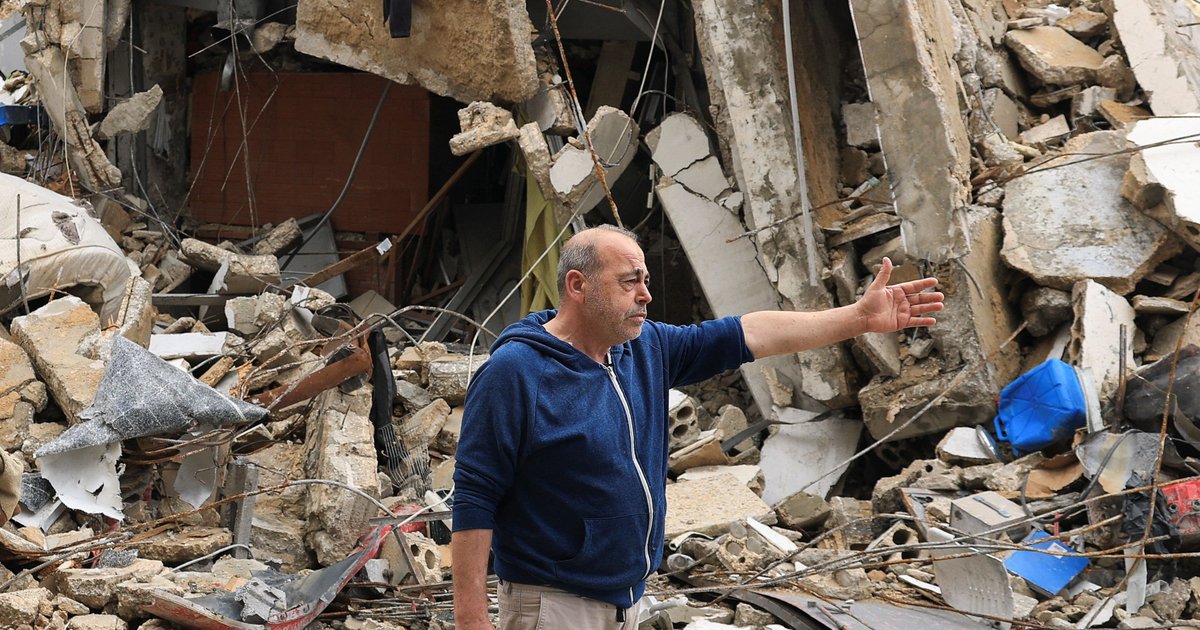
Iran has announced that over 100,000 civilian sites, including universities, schools, and research facilities, have been impacted by airstrikes conducted by the United States and Israel. This statement was made by Iranian government spokesperson Fatemeh Mohajerani, who emphasized that these strikes have broadly targeted civilian infrastructure.
Mohajerani stated, "The enemy cannot bear Iran's achievements," indicating that the airstrikes aimed to weaken the country's ability to progress and develop. These remarks reflect the Iranian government's dissatisfaction with foreign interventions that affect the nation's security and stability.
Details of the Incident
Reports indicate that the airstrikes, which began on February 28, have caused severe damage across the country. The destruction has affected numerous universities and schools, raising concerns about the future of education and scientific research in Iran. These strikes come at a sensitive time as Iran seeks to enhance its scientific and technological capabilities.
These airstrikes are part of the ongoing escalation between Iran and the United States, with both countries exchanging accusations regarding support for armed groups and interference in each other's internal affairs. Additionally, international pressures on Iran regarding its nuclear program have heightened tensions in the region.
Background & Context
Historically, Iran has experienced numerous military conflicts and political tensions with Western powers, particularly the United States. Since the Islamic Revolution in 1979, Iran has been subjected to various sanctions and military pressures. This has fostered a sense of nationalism among Iranians, uniting them against foreign interventions.
The recent airstrikes are part of a broader strategy aimed at undermining Iran's ability to defend itself and bolster its regional power. This strategy has led to increased tensions in the region, threatening the security and stability of neighboring countries.
Impact & Consequences
Analyses suggest that the airstrikes may exacerbate humanitarian conditions in Iran, as civilian infrastructure faces significant strain. The destruction of universities and schools could negatively impact education and scientific research, hindering the country's progress in technology and innovation.
Furthermore, these strikes may increase public discontent toward the government, as citizens feel they are victims of international conflicts. This could lead to heightened protests and demands for improvements in economic and social conditions.
Regional Significance
The situation in Iran has a direct impact on the security and stability of the Arab region. Tensions between Iran and the United States could escalate conflicts in countries like Iraq, Syria, and Lebanon, where Iran plays a key role in supporting armed groups.
Moreover, military pressures on Iran could lead to increased sectarian tensions in the region, threatening regional security. Therefore, the situation in Iran requires significant international attention, as any escalation could affect all countries in the region.
In conclusion, the recent airstrikes on Iran reflect a serious escalation in the ongoing conflict, threatening regional stability and increasing civilian suffering. It is crucial for international powers to adopt a diplomatic approach to resolve these crises and avoid further escalation.