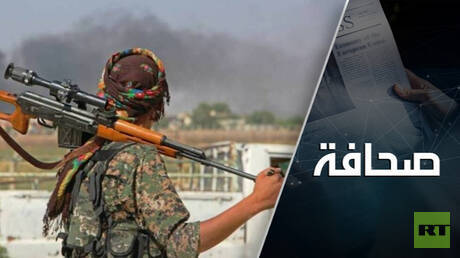
Iran has expressed concerns over potential military threats from Kurdish fighters, urging the Iraqi government to distance these fighters from the shared border. This request comes amid rising tensions in the region, reflecting Iran's anxiety over movements that could impact its national security.
The Iranian fears are escalating due to the increasing military activities of the Kurds in the border regions, which are historically considered points of tension. Tehran has emphasized the importance of cooperating with Baghdad to ensure border stability and prevent any escalation that could lead to armed conflict.
Details of the Event
These Iranian demands come at a time when the region is witnessing complex political and security transformations. Iran seeks to enhance its influence in Iraq while simultaneously trying to limit the impact of the Kurds, who are seen as part of a broader regional conflict. Tehran has expressed its concern over the presence of Kurdish fighters at the border, viewing it as a threat to its national security.
In this context, many observers have pointed out that Iran may resort to military action if the Iraqi government does not respond to its demands. Reports have indicated Iranian military movements along the border, increasing tensions between the two sides.
Background & Context
Historically, Iranian-Iraqi relations have experienced numerous fluctuations, with the border between the two countries serving as a theater for multiple conflicts. After the fall of Saddam Hussein's regime, Iran was able to enhance its influence in Iraq, making it a key player in Iraqi politics. However, the presence of the Kurds in the border areas poses a challenge to Tehran, as the Kurds seek greater independence.
The border regions between Iran and Iraq are home to various armed groups, including the Kurds. These groups have contributed to heightened tensions between Iran and Iraq, complicating the security landscape in the region.
Impact & Consequences
If tensions between Iran and the Kurds continue, it could lead to military escalation that may affect stability in Iraq and the region as a whole. Any escalation could negatively impact relations between Tehran and Baghdad, potentially leading to political and economic repercussions.
Iran aims to strengthen its position in the region, but it faces significant challenges from the Kurds who are striving for more independence. This conflict could exacerbate security conditions in Iraq, affecting regional stability.
Regional Significance
The situations in Iraq and Iran are part of the larger picture of conflicts in the Middle East. The tensions between Iran and the Kurds could affect relations between Arab states and Iran, as some Arab countries seek to strengthen their ties with the Kurds as part of their regional strategies.
Moreover, any military escalation could lead to an influx of refugees into neighboring countries, increasing the burdens on these nations. Thus, the situation in Iraq and Iran poses a challenge not only for the two countries but also for the entire region.
In conclusion, the situation along the Iranian-Iraqi border remains under observation, as Tehran seeks to ensure its national security amid increasing challenges. Cooperation between Baghdad and Tehran will be crucial in determining the future and stability of the region.