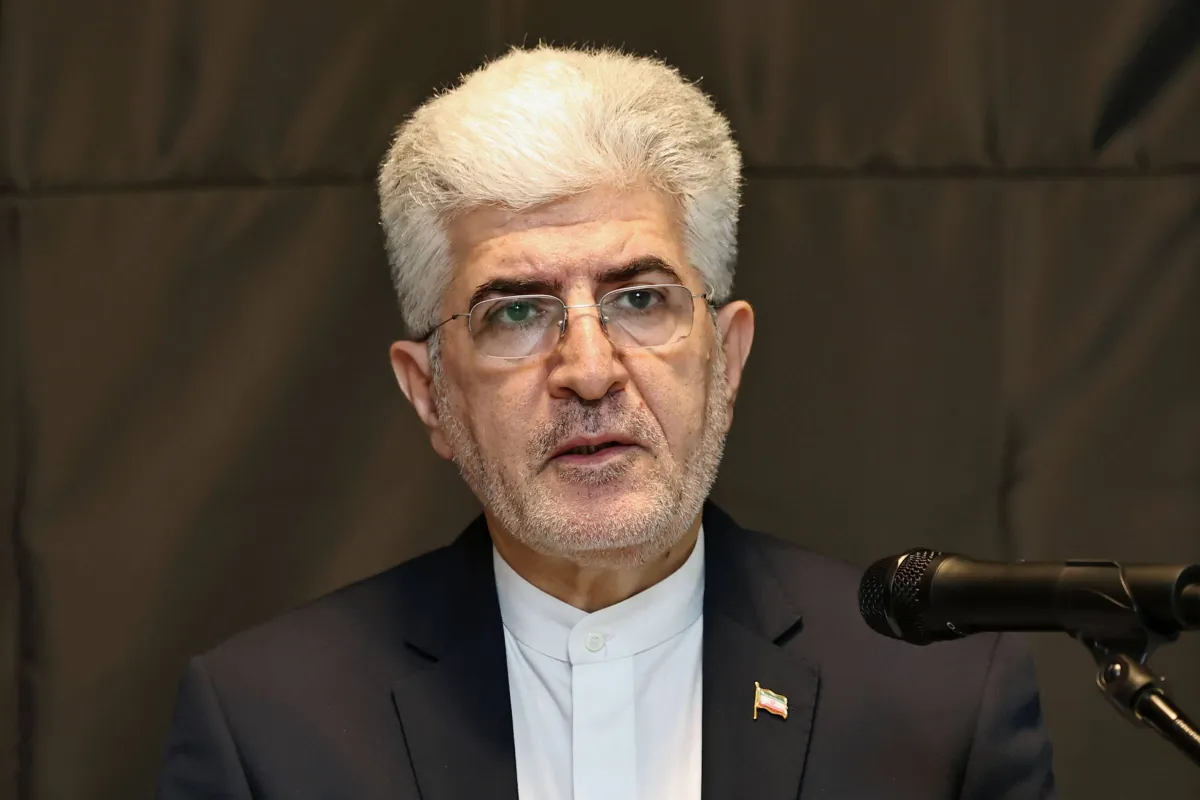
The Iranian ambassador to South Korea, Saeed Kooshki, announced that South Korean ships can transit through the Strait of Hormuz, but only after prior coordination with the Iranian government. Kooshki explained that his country has requested details from Seoul regarding the vessels stranded in this vital waterway, as 26 South Korean ships and 180 crew members remain stuck in the strait.
The ambassador's remarks came during a press conference, where he noted that Iran considers South Korea a non-hostile state. He emphasized that there are no issues with the ships, but prior coordination and consultation with the Iranian military and government are necessary to allow their passage.
Details of the Situation
During phone talks between the foreign ministers of both countries, Tehran requested that Seoul provide details about the stranded vessels, without clarifying whether this request aims to initiate negotiations regarding their passage. The Iranian ambassador confirmed that Tehran is acting in good faith and is willing to allow South Korean ships to transit, but this depends on receiving relevant information.
In response, the South Korean Foreign Ministry clarified that the Iranian request pertains to cooperation on safety measures in case of a humanitarian situation aboard the ships, and is not directly related to their passage. South Korean Foreign Minister Choi Hyun urged Tehran to ease tensions and ensure safe navigation through the Strait of Hormuz.
Background & Context
These developments come at a time of increasing tensions in the Strait of Hormuz, which Iran has effectively closed following attacks by the United States and Israel. The Strait of Hormuz is one of the world's most important waterways, through which approximately 20% of global oil supplies pass. These tensions have affected navigation in the region, leading to the detention of South Korean vessels.
In a related context, the United States is considering potential military options against Iran, escalating tensions in the region. U.S. officials have indicated that military escalation may become more likely if diplomatic talks do not yield any tangible progress.
Impact & Consequences
These events underscore the importance of the Strait of Hormuz as a strategic point in the world, where any changes in the situation could impact oil prices and global markets. Additionally, the continued detention of South Korean ships may complicate relations between Iran and South Korea and affect economic cooperation between the two countries.
On the other hand, potential military escalation by the United States could exacerbate conditions in the region, increasing the likelihood of conflict. Any military escalation in this sensitive area poses a threat to both regional and international security.
Regional Significance
These developments are particularly significant for Arab countries, as any escalation in the Strait of Hormuz could affect oil supplies and heighten tensions in the region. Relations between Iran and Arab states may also be significantly impacted, especially amid ongoing conflicts in the region.
In conclusion, the situation in the Strait of Hormuz appears to be heading towards further complexity, necessitating intensive diplomatic efforts to avoid military escalation and ensure safe navigation in this vital corridor.