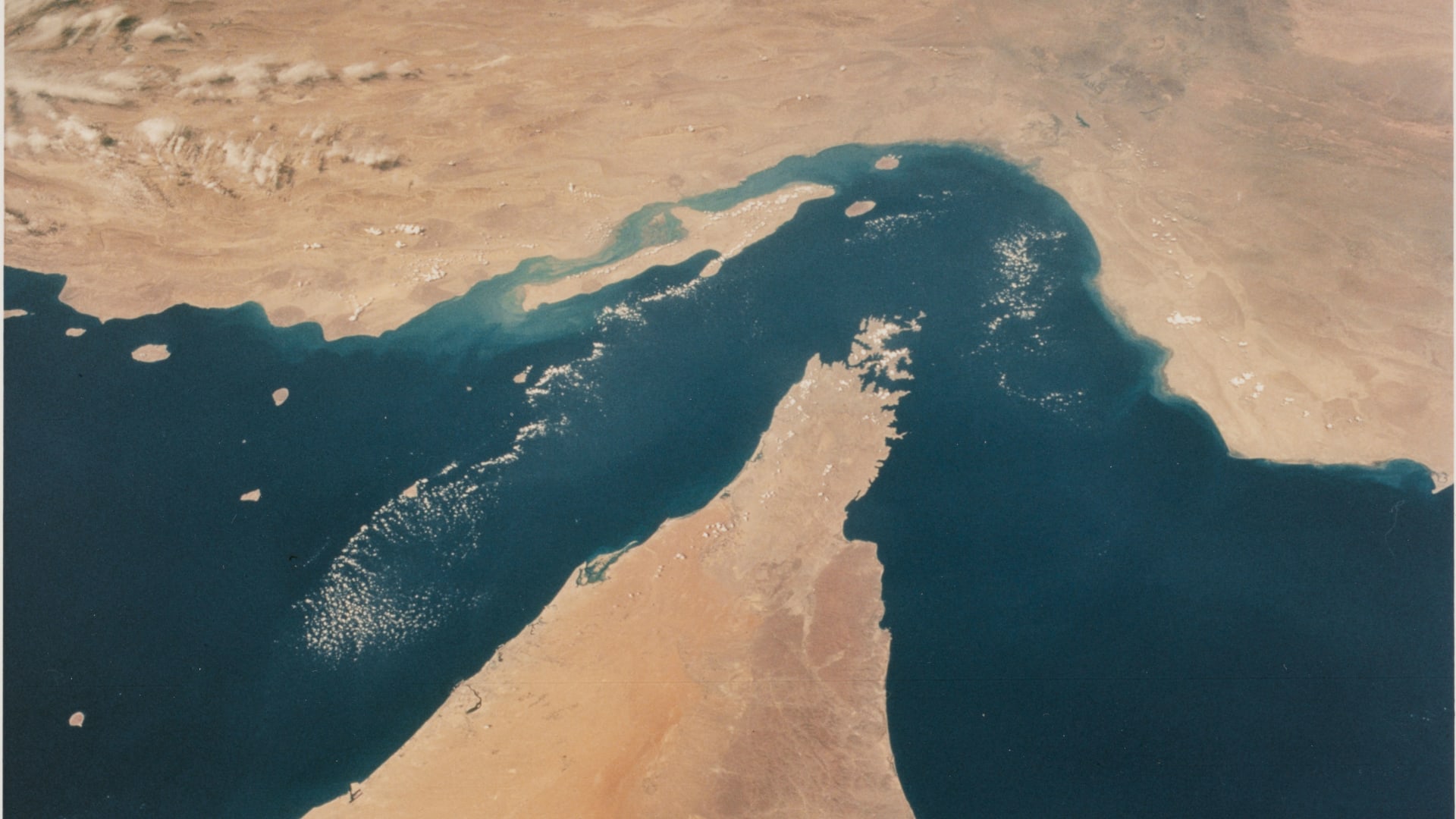
Iran has announced that ships wishing to pass through the Strait of Hormuz must provide details about their crew and vessel, along with voyage and shipping data, to obtain approval from the Islamic Revolutionary Guard Corps. This requirement is seen as a measure to enhance security and control in a region that is vital for global oil transportation.
The Strait of Hormuz is a significant chokepoint for oil and goods between the Arabian Gulf and the Red Sea, making it a focal point of geopolitical tensions. The new regulations are expected to impact shipping operations and may lead to increased scrutiny of maritime traffic in the area.
Details of the New Regulations
Sources indicate that ships intending to navigate through the Strait of Hormuz must submit comprehensive crew details, including the names of individuals and their respective roles. Additionally, vessels are required to provide information about their type and weight, which will assist authorities in assessing the security risks associated with each ship.
Moreover, ships must outline their voyage details, including the port of departure and the destination port, along with the scheduled date of the journey. This information is crucial for the Iranian authorities to monitor and manage maritime traffic effectively.
Background & Context
The Strait of Hormuz is not only a vital passage for oil and goods between the Arabian Gulf and the Red Sea but also serves as a strategic route for trade between the East and the West. Historically, this area has been a hotspot for military and political tensions, particularly involving Iran and Western nations.
Iran had previously announced additional security measures in the Strait of Hormuz following the United States' resumption of military strikes against the Islamic State in Iraq and Syria. These developments have heightened concerns about the safety of maritime navigation in this critical region.
Impact & Consequences
This decision could escalate tensions in the region, as the Strait of Hormuz is a crucial passage for oil and goods. The requirement for detailed crew and vessel information may lead to delays in shipping and increased operational costs for maritime companies.
Furthermore, this regulation could have broader implications for the global economy, as oil and goods passing through the Strait of Hormuz constitute a significant portion of international trade. Any disruptions in this area could lead to fluctuations in oil prices and impact global supply chains.
Regional Significance
This decision may have significant effects on the Arab region, where the Strait of Hormuz is a vital conduit for oil and goods. The increased scrutiny and control over maritime traffic could lead to heightened tensions among neighboring countries and impact regional stability.
In conclusion, this decision is a critical step in escalating tensions in the region and may have far-reaching consequences for the global economy and increased tensions in the Arab region. The situation in the Strait of Hormuz remains a focal point for international relations and security considerations.