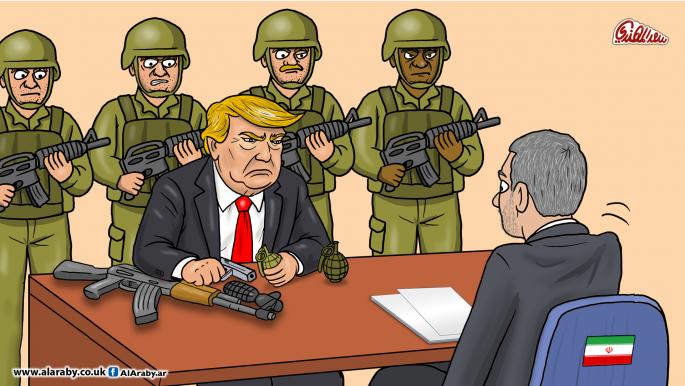
Pressure from both Tel Aviv and Washington on Tehran remains relentless, as the two nations aim to compel Iran to accept a settlement deemed humiliating. In this context, Iran's resilience is seen as the last breath that allows it to maintain its strength and improve its negotiation terms.
The U.S. and Israeli strategy focuses on intensifying economic and military pressures on Iran, with the goal of weakening its position in any future negotiations. However, Iran is demonstrating notable resistance, indicating that it will not surrender easily.
Details of the Situation
The United States is seeking to impose new sanctions on Iran in an attempt to diminish its regional influence. A series of new measures targeting vital sectors of the Iranian economy, such as oil and gas, have been announced. In response, Iran continues to bolster its military capabilities, announcing the development of new missiles and enhancing its defensive readiness.
On the other hand, Tel Aviv expresses concern over Iran's advancements, believing that any settlement could grant Tehran more power. Consequently, the Israeli government continues to pressure Washington to adopt a stricter policy towards Iran.
Background & Context
Historically, relations between Iran and the United States have been marked by ongoing tensions since the Islamic Revolution in 1979. These tensions have led to a series of regional conflicts, with Iran being a key player in many disputes across the Middle East. Additionally, Iran's support for armed groups in the region is considered one of the main reasons for tensions with Western nations.
In recent years, these tensions have escalated significantly, especially following the U.S. withdrawal from the Iranian nuclear agreement in 2018. Since then, American sanctions have increased, severely impacting the Iranian economy and exacerbating humanitarian conditions.
Impact & Consequences
Analyses suggest that the continued pressures on Iran could lead to military escalation in the region. Iran, regarded as a regional power, may resort to using its military strength to defend its interests, potentially plunging the area into a cycle of conflicts.
Moreover, any settlement imposed on Iran could affect the balance of power in the Middle East, leading to radical changes in regional alliances. This raises concerns among many Arab nations that fear the rise of Iranian influence in the region.
Regional Significance
Arab countries neighboring Iran find themselves in a precarious position, closely monitoring developments in Iranian-American relations. A potential conflict between Iran and the United States could directly impact security and stability in the region, especially in countries like Iraq, Syria, and Lebanon.
Furthermore, any military escalation could lead to an influx of refugees and increased sectarian tensions, complicating the situation in the region. Therefore, Arab nations need to take clear stances on these developments and work to enhance regional cooperation to address shared challenges.
In conclusion, Iran's resilience in the face of American and Israeli pressures indicates that the conflict in the region is still far from resolution. While Tehran seeks to maintain its strength, the escalating tensions could usher the region into a new phase of instability.