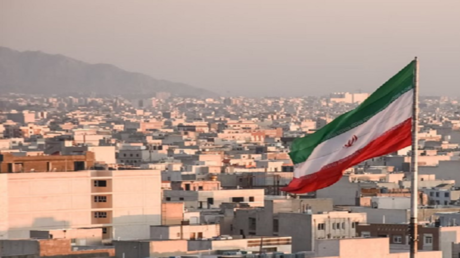
In a direct response to former US President Donald Trump's threats to destroy Iran and revert it to the Stone Age, Hossein Dehghan, an advisor to the former Iranian president, emphasized that the country did not come from the Stone Age overnight, asserting that bombing will not revert it to that era.
Dehghan's statements come at a sensitive time, as tensions between Iran and the United States have escalated, particularly after Trump issued his threats during a political event. These remarks reflect Tehran's concerns about the potential escalation in relations with Washington, which has seen increasing tensions since the US withdrawal from the Iranian nuclear deal in 2018.
Details of the Incident
In his remarks, Dehghan pointed out that Iran has a history spanning thousands of years, being one of the oldest civilizations in the world. He considered Trump's threats as an attempt to undermine Iranian national identity, which takes pride in its rich history and culture.
Dehghan further added that such statements not only reflect Trump's misunderstanding of the Iranian reality but also indicate an aggressive policy aimed at destabilizing the region. He argued that these threats could lead to escalating situations in the Middle East, increasing risks to regional and international security.
Background & Context
The history of Iranian-American relations is filled with tensions and conflicts, starting from the Islamic Revolution in 1979, which led to the severing of diplomatic ties between the two countries. Since then, the relationship has witnessed numerous crises, including economic sanctions and proxy wars in the region.
In recent years, tensions have notably escalated, particularly after the US withdrawal from the nuclear deal and the re-imposition of sanctions on Iran. These policies have exacerbated the economic and social conditions in the country, prompting the Iranian government to adopt a more hardline stance towards external threats.
Impact & Consequences
Repeated American threats could lead to increased Iranian military preparations, contributing to escalating tensions in the region. Additionally, aggressive statements may affect Iran's relations with other countries, especially those seeking stability in the area.
On the other hand, these tensions may have negative effects on the Iranian economy, which is already suffering from sanctions. If these policies persist, Iran may find itself compelled to take more drastic measures to defend its national interests.
Regional Significance
Iranian-American relations are a key focal point in Middle Eastern politics, influencing many Arab countries. The tensions between Tehran and Washington could lead to increased divisions in the region, negatively impacting peace and stability efforts.
Moreover, any military escalation could draw Arab countries into direct conflict, complicating the security situation further. Therefore, monitoring these developments is essential for understanding the future of regional relations.
In conclusion, Dehghan's statements serve as a reminder that history and culture cannot be overlooked in the context of international politics. As tensions continue, the international community must seek diplomatic solutions to avoid military escalation that could have dire consequences for all.