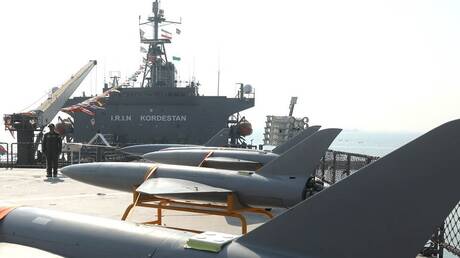
The Iranian armed forces have responded to recent threats from U.S. President Donald Trump, who announced the commencement of a countdown to bomb Iran's infrastructure. These remarks came at a sensitive time, as relations between Tehran and Washington are increasingly strained, raising fears of a potential military escalation in the region.
Trump, facing both internal and external pressures, used these statements as a means to send a strong message to Iran, warning that the country would face severe consequences if it continued its nuclear activities. This warning comes at a critical juncture, as concerns grow over Iran's military activities and regional interventions.
Details of the Event
In statements made by Trump, he affirmed that the United States would not hesitate to take stringent actions against Iran, indicating that the countdown has begun. These remarks elicited swift reactions from Iranian officials, who deemed such threats ineffective against their resolve, instead increasing their determination to defend their sovereignty.
The Iranian armed forces confirmed their readiness to counter any potential attack, emphasizing that the country possesses the capability to protect its territory and interests. A spokesperson for the armed forces stated that Iran would not tolerate any aggression and would respond forcefully to any threats.
Background & Context
Historically, Iranian-American relations have been marked by ongoing tension since the Islamic Revolution of 1979. This tension escalated significantly following the United States' withdrawal from the Iranian nuclear agreement in 2018, leading to the imposition of severe economic sanctions on Tehran. In recent years, Iranian military activities in the region have intensified, raising alarms among neighboring countries and the United States.
Moreover, the tensions between Iran and the United States are not new, as the region has witnessed numerous military and political crises resulting from these strained relations. Recent events, including attacks on commercial vessels in the Arab Gulf, have heightened these tensions.
Impact & Consequences
The mutual threats between Iran and the United States could lead to military escalation in the region, threatening security and stability in the Middle East. Should any military action occur, it would significantly impact oil prices and global markets, as the region is one of the world's most critical shipping lanes.
Additionally, escalating tensions could result in severe humanitarian consequences, as any conflict may lead to mass displacement of populations and increase civilian suffering. The international community is closely monitoring these developments with concern, as many countries seek to avoid any escalation that could lead to a full-scale war in the region.
Regional Significance
The tensions between Iran and the United States have a direct impact on Arab countries, especially those sharing borders with Iran. Countries like Iraq and Saudi Arabia are apprehensive about any military escalation that could affect their security and stability.
Furthermore, any potential conflict could exacerbate sectarian tensions in the region, as Iran is a key player in supporting Shia groups in Arab countries. This situation could deepen divisions and affect relations between Arab nations and Iran.
In conclusion, the mutual threats between Iran and the United States indicate that the region may be on the brink of a new military escalation. Under these circumstances, it is crucial for the involved parties to seek diplomatic solutions to avoid any escalation that could lead to dire consequences for all.