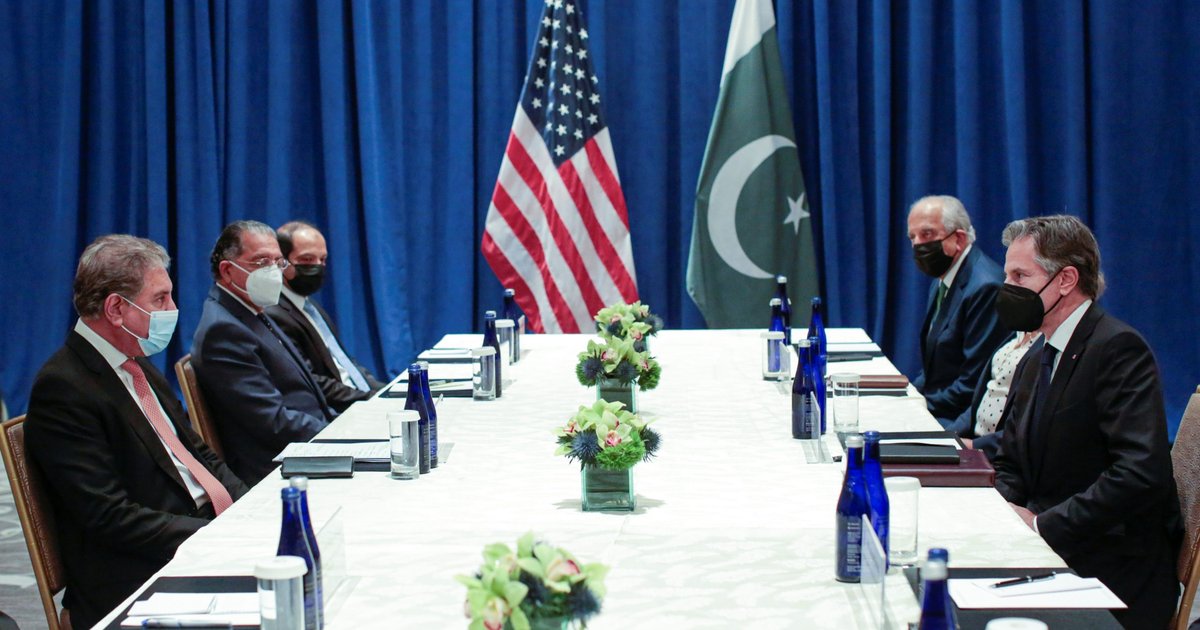
Iran has announced that it has sent its response to the recent U.S. proposal aimed at ending the ongoing conflict in the region through Pakistan's mediation. This announcement was made via the official Iranian news agency, confirming that the response was delivered today, Sunday.
While Iran has not disclosed the details of its response, reports indicate that negotiations will focus on resolving the conflict in the region, reflecting the importance of diplomatic dialogue in addressing regional crises.
Details of the Event
The region has been experiencing increasing tensions since the United States and Israel launched attacks on Iran on February 28, leading to a strong Iranian reaction targeting Israel and its allies in the Gulf, as well as the closure of the Strait of Hormuz. A ceasefire was announced to take effect on April 8, mediated by Pakistan, but talks in Islamabad did not result in a lasting agreement.
Subsequently, former U.S. President Donald Trump extended the ceasefire without specifying a time frame, opening the door for diplomacy to find a permanent solution to the conflict. These developments highlight the importance of international mediation in easing tensions between the involved countries.
Background & Context
Historically, relations between Iran and the United States have been strained, especially following Washington's withdrawal from the Iranian nuclear agreement in 2018. Since then, tensions have escalated significantly, with the United States taking military actions against Iran, prompting military responses from Tehran.
Pakistan is considered an important player in this context, seeking to act as a mediator between major powers in the region. It has expressed its readiness to facilitate dialogue between Iran and the United States, reflecting its desire to achieve regional stability.
Impact & Consequences
These developments could lead to significant changes in regional dynamics, as the success of negotiations may contribute to reducing tensions between Iran and the United States, positively impacting regional security. Additionally, any potential agreement could pave the way for improved relations between Iran and Gulf countries.
On the other hand, a failure in negotiations could escalate the conflict, negatively affecting the region's stability and increasing tensions among major powers. Therefore, observers are closely monitoring these developments.
Regional Significance
These events are particularly significant for Arab countries, as any escalation in the Iranian-American conflict could impact security and stability in the Arabian Gulf. Furthermore, the success of negotiations could contribute to improving relations between Iran and Arab states, potentially leading to greater cooperation in various fields.
In conclusion, all eyes remain focused on the outcomes of these negotiations, as the future of regional relations heavily depends on the ability of the involved parties to reach an agreement that ensures peace and stability in the region.