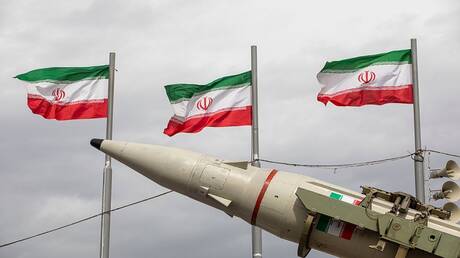
US intelligence reports revealed on Saturday that Iran has managed to restart underground missile platforms that were targeted in airstrikes by American and Israeli forces. These developments demonstrate Iran's ability to quickly restore its military capabilities, raising concerns in international circles.
The reports detail how the Iranians have excavated new sites for missile launches that had been damaged due to previous attacks. According to the information, these platforms were operational again just hours after the strikes, indicating a high level of preparedness and readiness.
Details of the Incident
The reports indicate that Iran has bolstered its defensive and offensive capabilities by establishing new underground launch sites, which is part of its military strategy aimed at countering external threats. Advanced techniques have been employed in the excavation of these sites, making them difficult targets for warplanes.
Additionally, reports suggest that Iran has not only restarted the damaged platforms but has also developed new missile launch systems, complicating any future attempts to target them. These steps come amid escalating tensions between Iran and the United States, alongside ongoing Israeli threats.
Background & Context
Historically, relations between Iran and the United States have significantly escalated since Washington's withdrawal from the nuclear agreement in 2018. Since then, the US has imposed stringent economic sanctions on Iran, impacting its economy and exacerbating internal crises.
At the same time, Iran is seeking to enhance its military strength as a means of responding to external pressures. In recent years, there has been an increase in the development of ballistic missiles, which Tehran considers a core part of its defense strategy. This trend also reflects Iran's desire to maintain its influence in the region, especially amid tensions with Gulf states and Israel.
Impact & Consequences
These developments could escalate tensions in the region, as the United States or Israel may respond to these Iranian military activities with new military operations. Moreover, the reactivation of missile platforms could strengthen Iran's position in any future negotiations regarding its nuclear program.
Furthermore, these steps may affect regional security, as neighboring countries like Saudi Arabia and the UAE might feel an increased threat from Iranian military capabilities, prompting them to bolster their defenses or even seek new alliances.
Regional Significance
Given the current situation, these developments may raise concerns among Arab nations, particularly those sharing borders with Iran. The enhancement of Iranian military capabilities could lead to an arms race in the region, threatening security stability.
Moreover, these events may impact relations between Arab states and Iran, as some countries might move towards strengthening security cooperation with the United States or Israel as a means to counter potential threats. Ultimately, the situation in the region remains complex and requires careful monitoring by all concerned parties.