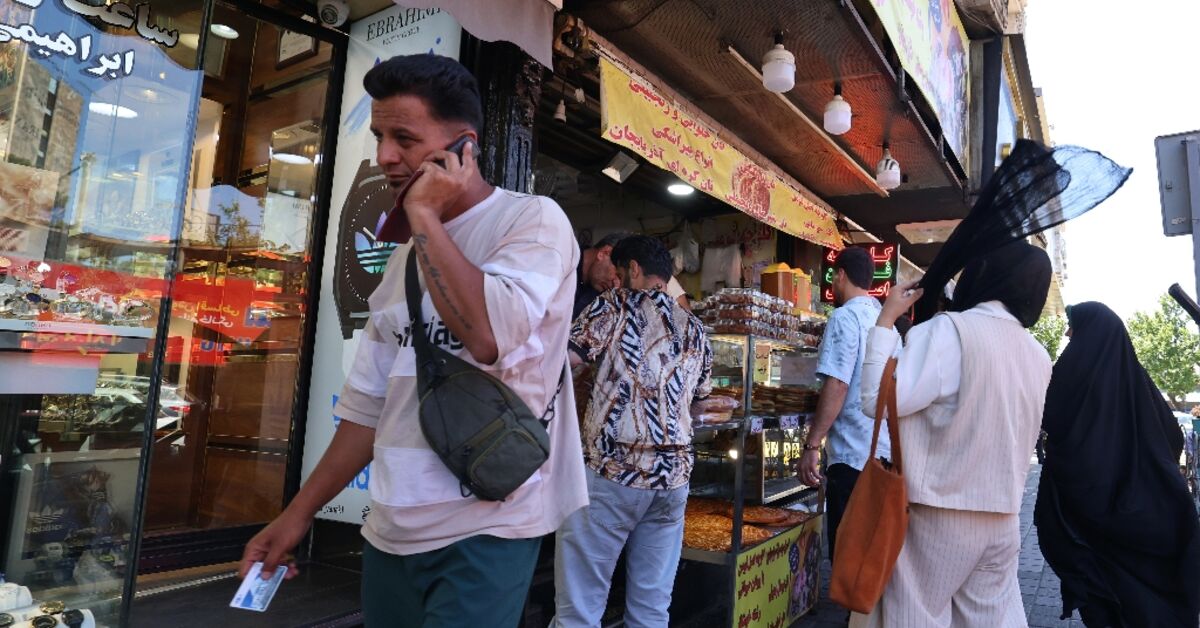
The Iranian authorities started lifting the internet ban imposed since the onset of the American-Israeli war against the Islamic Republic on February 28. Despite this decision, many Iranians feel uneasy as the service remains incomplete, and they believe that internet access should be guaranteed for everyone.
This move comes after a long disruption in the country, where the internet was cut off in January during mass protests. This interruption sparked widespread reactions from citizens, who viewed the government's actions as an infringement on their basic rights.
Details of the Event
Although the ban has been lifted, many Iranians are still dissatisfied with the current situation. They pointed out that internet access remains limited, and many websites and services are not fully operational. Some expressed their frustration that the government did not issue any apology for the prolonged outage.
This step is part of the Iranian government's policy aimed at controlling the information circulated within the country. It seems that the authorities are now trying to return things to normal, but many citizens do not trust the government's intentions.
Background & Context
Historically, Iran has experienced several internet outages during times of political and social crises. The government has used this tool as a means to control information and prevent protests. In January, the internet was cut during widespread protests against the government, exacerbating the situation in the country.
The internet is considered one of the essential tools for communication and information exchange in Iran; however, the government imposes strict restrictions on its use. This has led to increasing discontent among citizens, who feel their basic rights are being violated.
Impact & Consequences
The consequences of the internet outage in Iran extend beyond its borders, affecting international relations. Many countries consider the freedom to access information a fundamental right and urge Iran to respect its citizens' rights. This outage also impacts the Iranian economy, as many businesses rely on the internet for their daily operations.
Moreover, the continuation of these policies could exacerbate internal conditions, potentially sparking further protests and demonstrations. The government appears to be facing a significant challenge in how to manage these tense situations.
Regional Significance
Events in Iran have a significant impact on the Arab region, with neighboring countries closely monitoring the situation. Any escalation in Iran's internal conditions could have repercussions for security and stability in the region.
Additionally, many Arab countries face similar challenges regarding freedom of expression and access to information. Therefore, what happens in Iran may have direct effects on domestic policies in Arab nations.
In conclusion, the situation in Iran remains complex, as fundamental rights intersect with government policies. With the partial internet outage continuing, the question remains about how the government will respond to citizens' demands.