On Monday, Iran announced that it has submitted its demands related to a potential ceasefire agreement with the United States through mediators, demonstrating that indirect communications with Washington remain active in an effort to resolve the ongoing conflict. This statement was made by the spokesperson for the Iranian Foreign Ministry, Ismail Baqaei, during a press conference.
Baqaei stated that Tehran has outlined a set of demands based on its national interests, noting that these demands have been conveyed through a third party. He emphasized that Iran is not shy about expressing its legitimate and rational demands, in response to a question about whether there are new plans to end the war between Iran and the United States.
Details of the Event
Baqaei said, "Iran's position has been communicated through mediators," adding that the exchange of messages through a third party is a normal and ongoing process. He affirmed that Iran's readiness to clearly express its stance should not be interpreted as a sign of retreat.
He also indicated that presenting their position quickly and boldly should not be understood as a step back, clarifying that Iran has prepared responses to any developments and will announce them as needed.
Background & Context
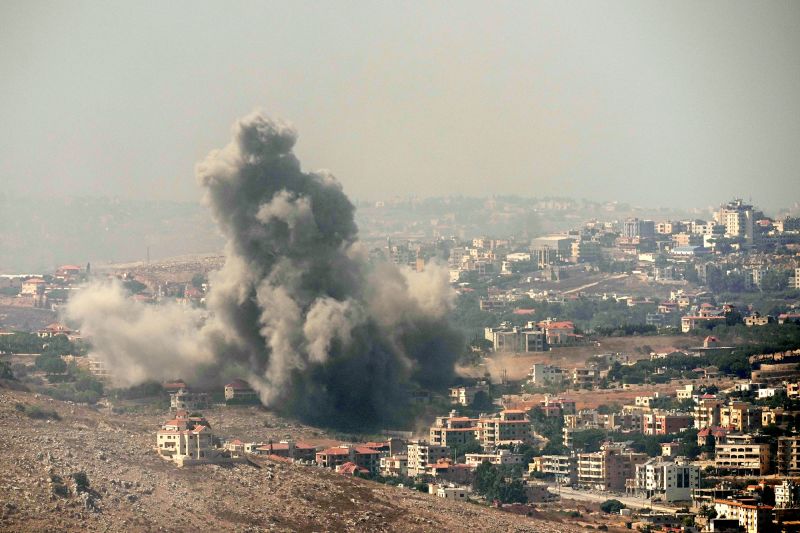
Tensions in the region have escalated since the United States and Israel launched joint attacks against Iran on February 28, resulting in the deaths of over 1,340 individuals, including former Supreme Leader Ali Khamenei. Iran has responded to these attacks by launching drone and missile strikes targeting Israel, as well as Jordan, Iraq, and Gulf countries hosting U.S. military assets.
This escalation has caused casualties and damage to infrastructure, negatively impacting global markets and the aviation sector. These events come at a sensitive time as attention turns to how the situation in the region will evolve.
Impact & Consequences
These developments underscore the importance of international mediation in regional conflicts, as the continuation of indirect communications may contribute to easing tensions. However, the question remains regarding the seriousness of both parties in reaching a lasting ceasefire agreement.
Moreover, the military escalation between Iran and the United States could lead to negative repercussions for regional security, necessitating international intervention to seek peaceful solutions. The ongoing violence could threaten stability in the region and affect the economic interests of neighboring countries.
Regional Significance
Arab countries are directly affected by the escalating tensions between Iran and the United States, as any escalation could have repercussions on regional security. Gulf countries, in particular, may find themselves in a difficult position if the reciprocal attacks continue.
The current situation requires Arab nations to take clear stances that support peace and stability, as any escalation could impact economic and security relations in the region. It is essential for Arab countries to collaborate with the international community to seek lasting solutions to the conflict.