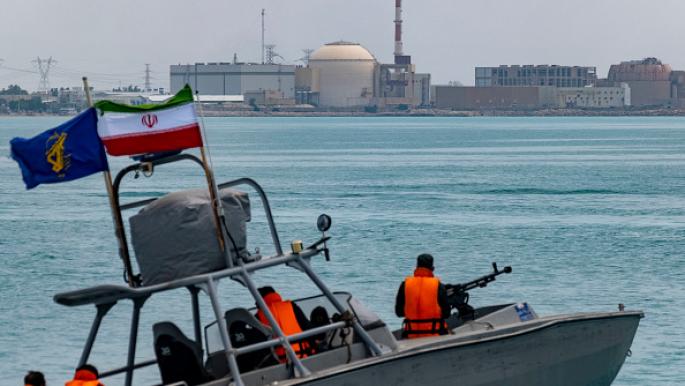
In a move reflecting an escalation in Iranian military activities, Admiral Shahram Irani, the commander of the Iranian Navy, announced the missions of Iranian submarines to monitor and track ships in the Gulf waters during a press conference held in Tehran. These statements come at a sensitive time when the region is experiencing increasing tensions.
Admiral Irani emphasized that Iranian submarines play a vital role in protecting national interests, noting that these operations include monitoring commercial and military vessels in the Gulf. He also pointed out that these submarines are equipped with the latest technologies that enable them to carry out their missions with high efficiency.
Details of the Announcement
During the conference, Admiral Irani clarified that the Iranian naval forces are working to enhance their defensive capabilities by developing their submarine fleet. He confirmed that these submarines are not only for monitoring ships but are also capable of conducting offensive operations if necessary. He mentioned that these operations will contribute to securing vital maritime passages in the region.
Iran, facing increasing international pressures, seeks through these steps to send a clear message to its adversaries, particularly the United States and its allies in the region. These statements come at a time when fears are growing over escalating tensions in the Strait of Hormuz, one of the world's most important maritime passages.
Background & Context
Historically, the Gulf waters have been a focal point of tensions between Iran and Western countries. For decades, Iran has sought to enhance its military presence in the region, raising concerns among neighboring countries and the United States. In recent years, Iran has increased its investments in developing its naval capabilities, including submarines.
Submarines are considered an essential part of Iran's military strategy, providing the ability to conduct covert and surprise operations. This approach reflects Iran's desire to strengthen its control over maritime passages and ensure its national security in the face of external threats.
Impact & Consequences
The recent statements could lead to heightened tensions in the region, as neighboring countries like Saudi Arabia and the UAE may respond by bolstering their military capabilities. Additionally, these steps could affect maritime traffic in the Gulf, potentially negatively impacting the global economy.
Furthermore, these developments may increase pressure on the international community to intervene, either through imposing new sanctions on Iran or by enhancing its military presence in the region. These dynamics could contribute to creating an unstable environment that affects both regional and international security.
Regional Significance
Given Iran's influence in the region, these statements may raise concerns among Arab countries, especially those sharing maritime borders with Iran. These developments are likely to enhance security cooperation among Arab states to counter Iranian threats.
Moreover, these statements could affect the relations between Iran and Arab countries, potentially escalating tensions and leading to increased conflicts in the region. Under these circumstances, it becomes essential for Arab nations to adopt effective strategies to address the growing security challenges.