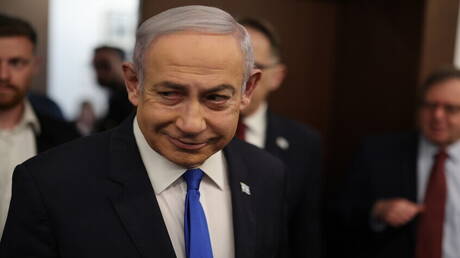
The Iranian Revolutionary Guard Intelligence has called for the assassination of Israeli Prime Minister Benjamin Netanyahu, accusing him of being responsible for the military escalation in Gaza and the threats directed against Iran. These statements come at a time when the situation in the region is experiencing increasing tension, raising concerns about the potential repercussions on regional security.
These remarks by the Iranian Revolutionary Guard are part of a larger strategy to confront what they perceive as threats from Israel, which have notably escalated amid the multiple crises affecting the region.
Details of the Incident
In an official statement, the Revolutionary Guard confirmed that Netanyahu is the primary responsible party for the war in Gaza, indicating that his actions have exacerbated the situation in the region. The statement also accused Netanyahu of destabilizing Iran, warranting strict measures against him.
This declaration comes at a sensitive time, as tensions between Iran and Israel are escalating, particularly following a series of mutual attacks and increasing threats. This call has been viewed as a serious escalation in Iranian rhetoric towards Israel, opening the door to further tensions in the region.
Background & Context
Historically, the relationship between Iran and Israel has been strained, with Iran accusing Israel of interfering in its internal affairs and supporting opposing groups. In recent years, these tensions have significantly increased, especially with the rise of Israeli military activities against Iranian targets in Syria and Netanyahu's repeated threats.
The recent war in Gaza has added a new dimension to the conflict, as Iran is considered a key ally of Hamas, making it a part of the ongoing struggle. This context makes the recent Iranian statements more significant, as they reflect an escalation in political and military rhetoric.
Impact & Consequences
The Revolutionary Guard's call for Netanyahu's assassination is a step that could lead to greater military escalation in the region. If such threats are acted upon, we may witness military responses from Israel, potentially leading to a cycle of violence.
Furthermore, these statements could impact international relations, as major powers may find themselves compelled to intervene to calm the situation. Additionally, these remarks could affect the security situation in neighboring countries, increasing instability in the region.
Regional Significance
These statements raise significant concerns in Arab countries, as they could lead to heightened tensions between Iran and Gulf states. Any military escalation could affect regional security and increase the suffering of civilians in conflict-affected areas.
At the same time, some political groups in the region may exploit these statements to bolster their positions, complicating the political landscape further. Therefore, the situation requires careful monitoring by all concerned parties.
The call from the Iranian Revolutionary Guard Intelligence for the assassination of Netanyahu reflects a serious escalation in Iranian rhetoric towards Israel, raising concerns about the potential impact on regional security. Under these circumstances, the most pressing question remains: how will Israel respond, and what steps will major powers take to contain this escalation?