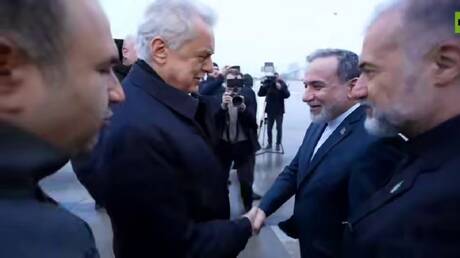
Iranian Foreign Minister Abbas Araghchi confirmed that his country is engaged in close and continuous consultations with Russia on a wide array of issues, particularly regional developments. These statements were made during Araghchi's visit to Saint Petersburg, where he is holding meetings with Russian officials to discuss matters of mutual interest.
The consultations between Tehran and Moscow include discussions on the situation in Syria, where both Iran and Russia play significant roles in supporting the Syrian government. The talks also address the conditions in Iraq and Yemen, as both countries seek to enhance cooperation in facing security and political challenges.
Details of the Event
During his visit, Araghchi highlighted the importance of bilateral cooperation between Iran and Russia in addressing regional challenges. He emphasized that the consultations also cover economic and trade issues, as Tehran aims to strengthen its relations with Moscow amid the Western sanctions imposed on it.
The meeting also tackled the challenges facing the region, including terrorist threats and foreign interventions. Araghchi asserted that cooperation between Iran and Russia could contribute to achieving stability in the region.
Background & Context
Historically, Iranian-Russian relations have been characterized by close cooperation in various fields, especially in light of tensions with the West. In recent years, these relations have been strengthened, particularly following Russia's intervention in Syria in 2015, where Tehran and Moscow formed a pivot to support the Syrian regime.
These consultations come at a time when pressures on Iran are increasing due to its nuclear program, prompting it to seek to bolster its regional and international alliances. Russia, for its part, aims to enhance its influence in the Middle East by supporting its traditional allies.
Impact & Consequences
The Iranian-Russian consultations are considered a strategic step that may affect the balance of power in the region. With rising tensions in the Middle East, these relations could strengthen Iran's position in the face of Western pressures.
Moreover, cooperation between Tehran and Moscow may lead to increased Russian investments in Iran, potentially aiding the struggling Iranian economy. This collaboration could also enhance regional security through coordinated efforts to combat terrorism.
Regional Significance
The Iranian-Russian relations impact many Arab countries, especially those experiencing conflicts such as Syria and Iraq. The cooperation between Tehran and Moscow may complicate the situations in these countries, as some Arab nations seek to counter Iranian influence.
At the same time, the strengthening of relations between Iran and Russia may prompt some Arab countries to reassess their policies towards Tehran, potentially opening the door for new dialogue in the region.
In conclusion, the ongoing consultations between Iran and Russia reflect a shift in regional dynamics, as both parties seek to enhance cooperation to face common challenges. Under these circumstances, the future of relations in the region remains open to numerous possibilities.