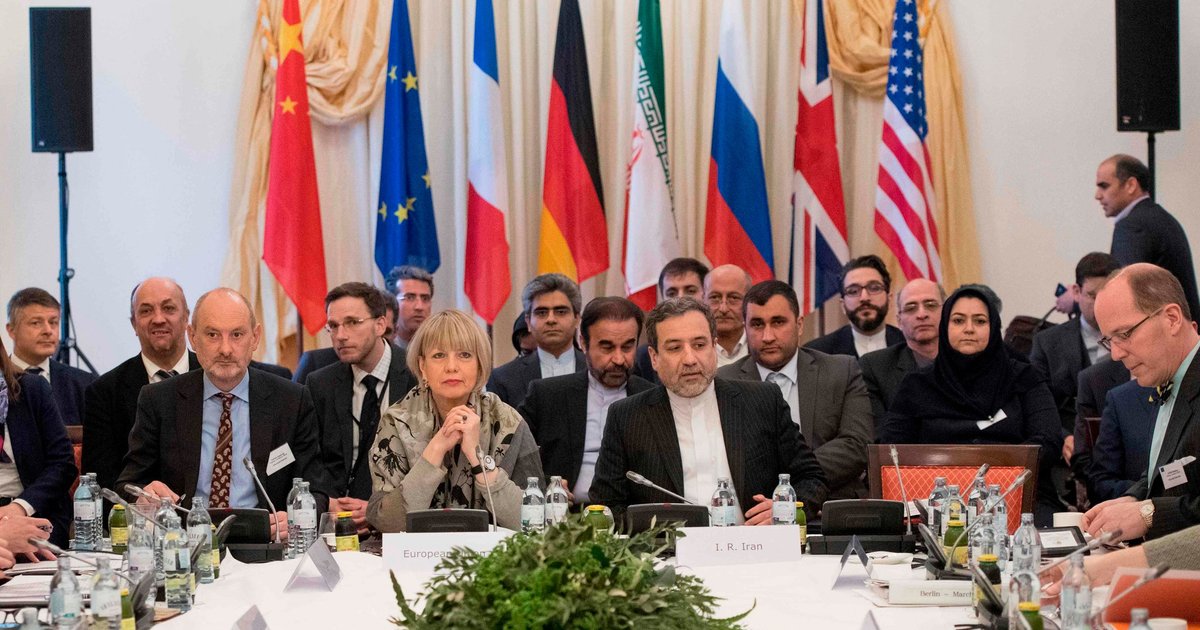
Iran is actively seeking a way out of the ongoing war, with reports suggesting a potential deal that Tehran could accept. This move could reshape the regional landscape.
Amid escalating military and economic tensions, there is an urgent need for Iran to end the conflict that has negatively impacted the stability of the region. All eyes are on Tehran, which is exploring diplomatic options that may allow it to escape this predicament.
Details of the Situation
Information indicates that Iran may be willing to consider a deal that includes certain concessions in an effort to alleviate economic and military pressures. This deal could involve improving relations with some Western countries, which may contribute to lifting the sanctions imposed on Tehran.
At the same time, internal pressures on the Iranian government are increasing, as citizens face growing economic difficulties due to the sanctions. These conditions may push the Iranian leadership to take serious steps towards negotiation.
Background & Context
Historically, Iran has played a pivotal role in regional conflicts, supporting various armed groups in countries such as Iraq, Syria, and Lebanon. These policies have led to tensions with Gulf Arab states and the United States, increasing its international isolation.
As conflicts escalate, Iran finds itself in a difficult position, needing to balance maintaining its regional influence while improving its economic situation. The potential deal could represent an opportunity to reassess its strategies.
Impact & Consequences
If Iran succeeds in reaching a deal, it could lead to significant changes in regional dynamics. This step may help ease tensions between Iran and Gulf states, potentially opening the door for broader dialogue on security and economic issues.
Moreover, this deal could affect Iran's relations with major powers, such as the United States and Russia, potentially reshaping alliances in the region.
Regional Significance
Neighboring Arab states are on alert, as any potential deal could impact the stability of the region. If Iran manages to improve its relations with the West, it could lead to reduced tensions in the Gulf, benefiting all parties involved.
Conversely, some Arab countries may be concerned that any rapprochement between Iran and the West could enhance Tehran's influence in the region, prompting them to reassess their security strategies.
In light of current circumstances, it appears that Iran is at a critical juncture. Reaching a deal could represent an opportunity to end the conflict and improve the economic situation, but it requires a delicate balance between national and regional interests.