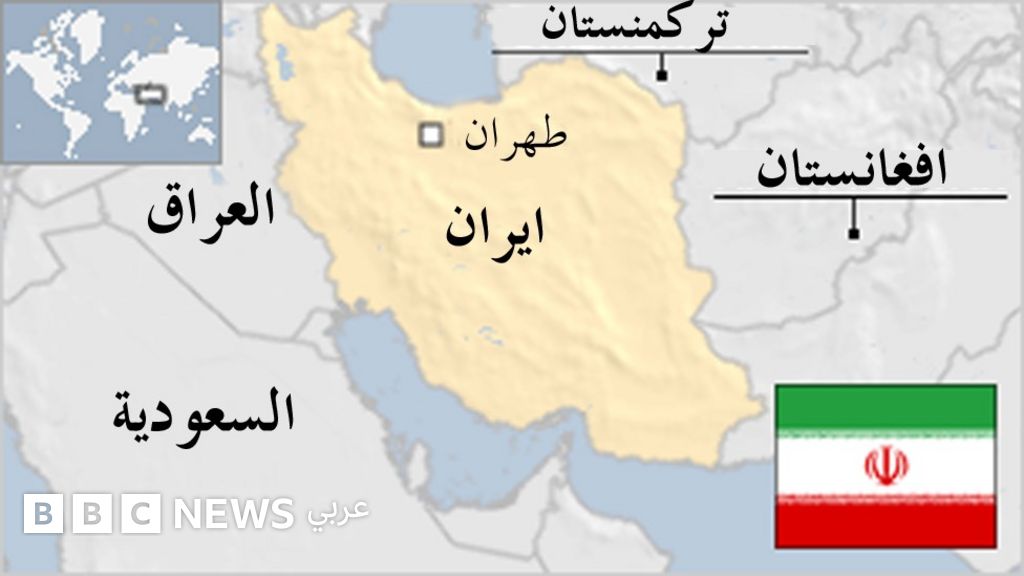
Iran is striving to find a way out of the multiple crises it faces, amid increasing internal and external pressures. These efforts come at a sensitive time marked by escalating tensions in the region, placing Tehran in front of significant challenges that require new strategies to address the current situation.
The pressures on Iran are mounting due to the economic sanctions imposed on it, which have significantly affected its national economy. Additionally, tensions with the United States and its allies in the region, along with regional conflicts, complicate the Iranian situation further.
Details of the Situation
Recently, Iran has begun to take new diplomatic steps aimed at improving its relations with some Arab countries, in an attempt to alleviate the pressures imposed on it. Reports indicate that Tehran is looking for ways to enhance cooperation with its neighbors, particularly in the fields of economy and security.
Iran is also seeking to rebuild its relations with countries like Saudi Arabia and Iraq, as these relationships are deemed essential for achieving stability in the region. Some countries have expressed their willingness to cooperate with Iran, which could open the door to new negotiation opportunities.
Background & Context
Historically, Iranian relations with Arab countries have been marked by significant tensions, especially following the Islamic Revolution in 1979. These tensions have led to multiple conflicts in the region, including the disputes in Syria and Yemen.
Despite these challenges, Iran remains a key player in regional politics. Tehran has repeatedly attempted to bolster its influence in the region by supporting its allies, such as Hezbollah in Lebanon and the Houthis in Yemen, which has further complicated relations with Arab countries.
Impact & Consequences
If Iran succeeds in improving its relations with Arab countries, it could lead to a reduction in tensions in the region and open new avenues for economic cooperation. However, any improvement in relations will depend on Iran's ability to make concessions and abandon some of its policies that Arab countries view as threats to their security.
On the other hand, any attempt by Iran to enhance its influence may provoke negative reactions from Western countries, potentially leading to the re-imposition of sanctions or increased military pressures. Thus, Iran faces significant challenges in its quest for stability.
Regional Significance
The situation in Iran has a direct impact on the security and stability of the Arab region. Any escalation in Iranian crises could exacerbate conditions in neighboring countries, threatening regional stability.
Furthermore, improving relations between Iran and Arab countries could contribute to enhancing regional security and lead to greater cooperation in areas such as counter-terrorism and security information exchange. Therefore, what happens in Iran is of concern to all Arab countries.
In conclusion, Iran remains in a sensitive position that requires it to make strategic decisions to address current challenges. The search for an exit from the growing crises may be a step towards achieving stability, but it also requires a willingness to negotiate and cooperate with other countries in the region.