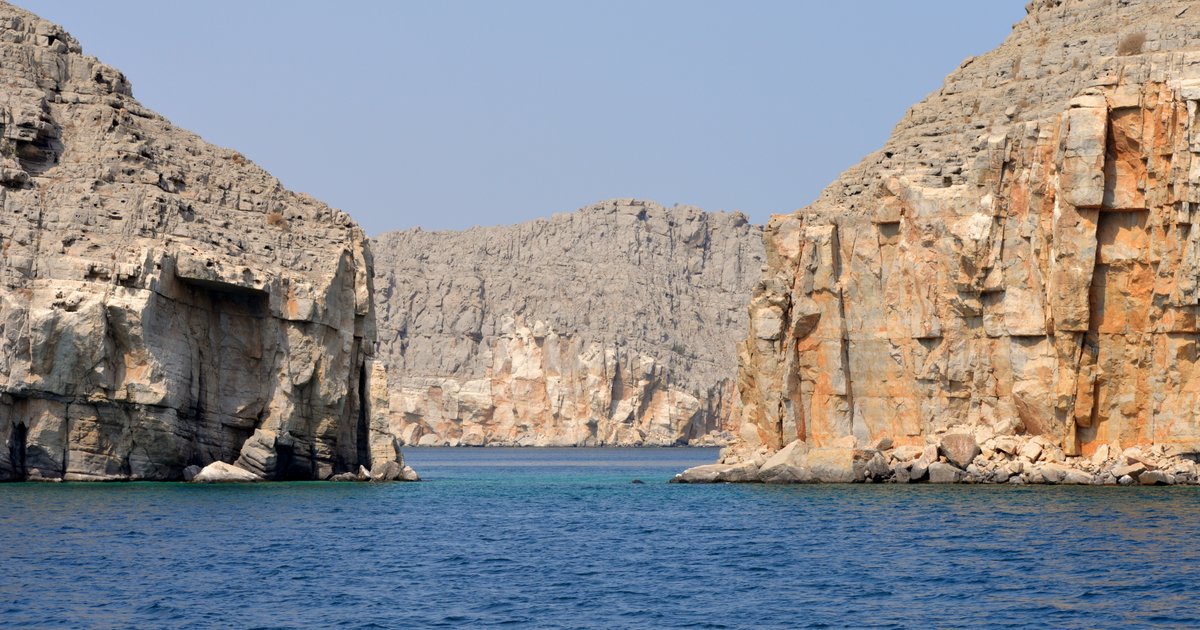
Iran is aiming to transform the Strait of Hormuz, one of the world's most crucial maritime passages, into a revenue-generating corridor by imposing fees on passing ships. This initiative is part of Tehran's strategy to enhance its regional influence and serves as a means of pressure on the United States and Israel.
This action is seen as part of Iran's efforts to compensate for its growing economic losses, particularly in light of the Western sanctions imposed on it. The Strait of Hormuz is a vital transit point for approximately 20% of the world's oil, providing Iran with a strong leverage in the context of current geopolitical tensions.
Details of the Initiative
According to reports, Iran plans to impose fees on vessels crossing the strait, which could escalate tensions in the region. These fees may be utilized as a tool to exert pressure on Western nations, especially the United States, which seeks to impose further sanctions on Tehran.
This move comes at a time when relations between Iran and the United States are increasingly strained, as Tehran aims to strengthen its position in negotiations regarding its nuclear program. Imposing fees on ships could serve as a response to U.S. policies aimed at diminishing Iran's influence in the region.
Background & Context
The Strait of Hormuz has a long history of geopolitical tensions, having witnessed numerous crises in the past. This strait is a key gateway for oil exports, making it a strategic target for many countries. In recent years, Iran has ramped up its military activities in the region, exacerbating tensions with Western nations.
Historically, Iran has used the Strait of Hormuz as a means to pressure Western countries, particularly during times of crisis. This new initiative fits into a broader strategy aimed at enhancing Iran's ability to confront external pressures.
Impact & Consequences
If implemented, this initiative could lead to heightened tensions in the region and may affect global oil prices. Imposing fees on ships could increase transportation costs, which may have repercussions for the global economy.
Furthermore, this move could provoke reactions from Western nations, increasing the likelihood of escalating conflict in the area. The United States might consider military or diplomatic actions in response to this initiative, potentially worsening the situation.
Regional Significance
The Arab countries neighboring the Strait of Hormuz find themselves in a sensitive position, as any escalation in tensions could impact their security and stability. This initiative may heighten concerns about the potential for conflict in the region, affecting trade and transportation flows.
Additionally, oil-producing nations in the region may be directly affected by any changes in oil prices resulting from this initiative. Therefore, monitoring developments in the Strait of Hormuz will be crucial for Arab countries to maintain their economic stability.
In conclusion, Iran's pursuit of transforming the Strait of Hormuz into a revenue-generating passage reflects the challenges it faces amid economic and political pressures. This move could have far-reaching implications for security and stability in the region.