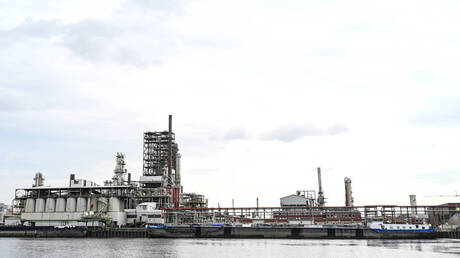
Abdul Hossein Hemmati, a member of the Iranian Parliament's Energy Committee, stated that oil exports from Iran are still ongoing and are not facing any serious issues under current conditions. Hemmati pointed out that the rise in global oil prices could have a positive impact on the Iranian economy, enhancing the country's ability to face economic challenges.
These remarks come at a time when the global market is experiencing significant fluctuations in oil prices, which have risen sharply due to geopolitical and economic crises. Oil is one of the main sources of revenue for Iran, making the stability of its exports vital for the Iranian economy.
Details of the Event
In his discussion, Hemmati clarified that the Iranian government is working to enhance its oil export capabilities, despite the sanctions imposed by the United States. He emphasized that there are strategies in place to ensure the continued flow of oil to global markets, reflecting Iran's ability to adapt to difficult circumstances.
He also noted an increasing interest from some countries in purchasing Iranian oil, which contributes to improving the country's economic situation. This indicates that Iran is still capable of achieving its economic goals despite external pressures.
Background & Context
Historically, Iran has suffered from severe economic sanctions that have particularly affected the oil sector. However, the country has managed to develop trade relations with other nations, helping it to overcome some of the negative impacts of those sanctions. Iranian oil is considered one of the most important energy sources in the world, making the continuity of its exports strategically significant.
It is worth mentioning that Iran has taken steps to boost its oil production, including improving infrastructure and developing technology used in oil extraction. These efforts are part of a comprehensive plan aimed at increasing oil revenues and strengthening the national economy.
Impact & Consequences
The rise in oil prices could have positive effects on the Iranian economy, as it may contribute to increased government revenues and improved public budgets. Additionally, this could help enhance investments in various sectors, contributing to the creation of new job opportunities.
On the other hand, the Iranian economy may face new challenges if fluctuations in oil prices continue, as the heavy reliance on oil exports makes the country vulnerable to economic shocks. Therefore, diversifying the economy is essential to ensure long-term sustainability.
Regional Significance
Iran is one of the major oil-producing countries in the region, and thus any changes in its oil policy directly affect Arab markets. The rise in oil prices could positively reflect on oil-producing countries in the region, contributing to the enhancement of their economies.
Moreover, the stability of Iranian oil exports could impact economic relations between Iran and Arab countries, potentially opening new opportunities for cooperation in energy and trade sectors. Amid existing political tensions, economic cooperation remains one of the ways to enhance stability in the region.
In conclusion, amid economic and political challenges, Iranian oil exports remain a crucial factor in determining the future of the Iranian economy. With prices continuing to rise, Iran may find an opportunity to strengthen its position in the global market, contributing to improving its economic conditions.