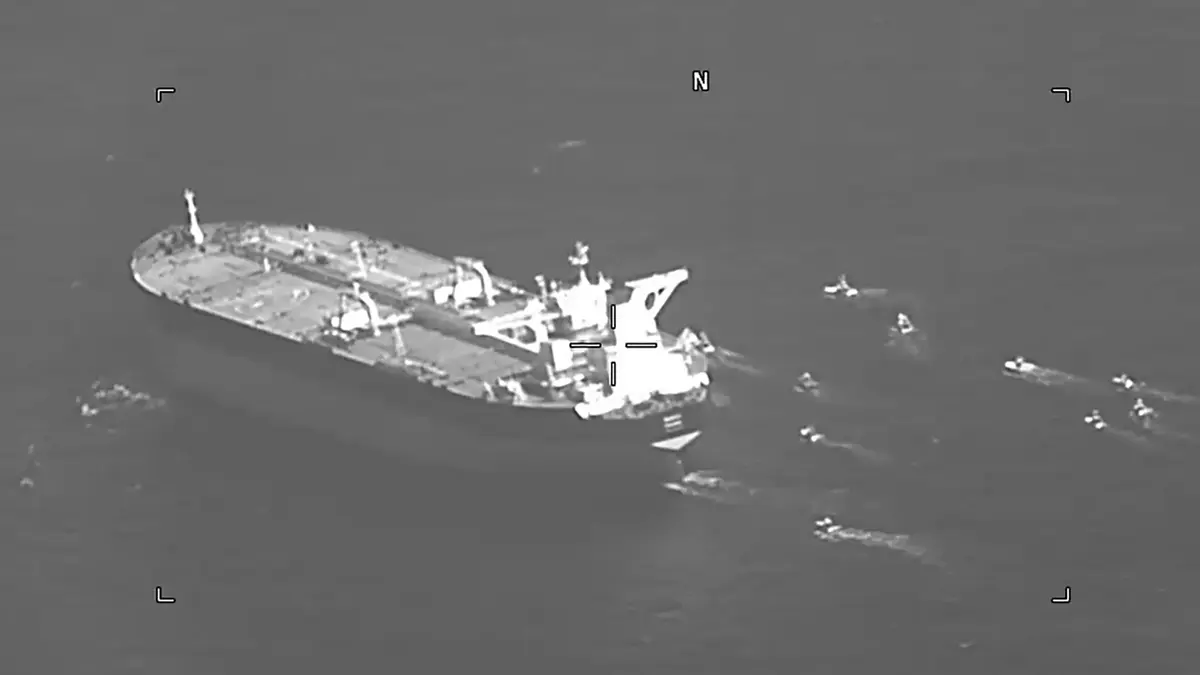
Iran's seizure of oil shipments in the Strait of Hormuz has raised international concerns regarding maritime security in one of the world's most vital waterways. This move comes at a sensitive time, as tensions escalate between Tehran and Western countries, threatening the stability of the global oil market.
Shocking footage from the heart of the Gulf reveals how Iran has managed to control the movement of commercial vessels, placing additional pressure on the global economy, which heavily relies on oil imported through this critical strait.
Details of the Incident
In recent days, several media reports have documented multiple instances of oil shipments being detained by the Iranian navy, where vessels carrying oil headed to various destinations were intercepted. These operations raise questions about Iran's intentions, especially in light of the sanctions imposed on it by the United States.
The Strait of Hormuz is a vital transit point for approximately 20% of the world's total oil, making any threat to maritime security there significantly impactful on global prices. Images circulated on social media show the detained vessels, heightening fears regarding the stability of oil supplies.
Background & Context
The roots of the tensions in the region date back several decades, with the relationship between Iran and Western nations, particularly the United States, experiencing notable escalation since Washington's withdrawal from the Iranian nuclear deal in 2018. Since then, the United States has imposed stringent sanctions on Iran, affecting its economy and leading to increased military tensions in the Gulf.
Historically, Iran has used the Strait of Hormuz as a means to pressure its adversaries, considering it part of its national sovereignty. In recent years, it has increased its military presence in the region, resulting in heightened maritime provocations.
Impact & Consequences
The recent seizures could lead to an increase in global oil prices, as the market reacts to any threats to supply security. Additionally, these events may prompt military interventions by Western nations, increasing the likelihood of escalating conflict in the region.
Moreover, the continuation of these actions could further isolate Iran from the international community and strengthen the position of countries seeking to impose additional sanctions on it. These developments may also affect relations between Iran and neighboring countries, particularly those reliant on regional stability.
Regional Significance
Arab countries neighboring the Strait of Hormuz, such as Saudi Arabia and the United Arab Emirates, are likely to be the most affected by these events. Any escalation in tensions could impact their oil exports and heighten security concerns in the region.
Furthermore, these events may lead to increased cooperation between Arab nations and Western countries in maritime security, as these nations seek to protect their economic interests from potential threats.
In conclusion, the situation in the Strait of Hormuz remains under scrutiny, with growing fears of military escalation that could negatively impact the global economy and intensify tensions in the Gulf region.