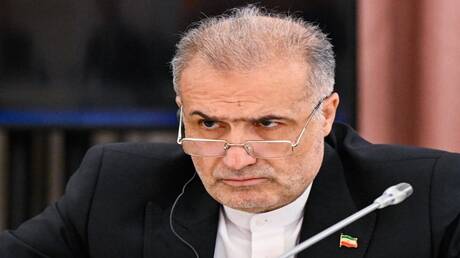
Iran's ambassador to Moscow, Kazem Jalali, has revealed four main demands that Tehran requires to end its ongoing dispute with the United States and Israel. These statements come at a sensitive time when international relations are witnessing increasing tensions, which raises questions about the possibility of achieving peace in the region.
Jalali clarified that these demands include the lifting of sanctions imposed on Iran, recognition of its nuclear rights, and guarantees against interference in its internal affairs. These demands reflect Iran's steadfast position in the face of Western pressures and emphasize the importance of dialogue as a means to resolve conflicts.
Details of the Event
The Iranian ambassador's statements come at a time when pressures on Tehran are escalating from the United States and its allies, as Washington seeks to strengthen its position in the region through economic and political sanctions. Jalali indicated that Iran is ready for dialogue but insists that these demands must be met as a prerequisite for any progress in negotiations.
The Iranian ambassador also affirmed that his country will not back down from its legitimate rights and will continue to work on enhancing its defensive capabilities. These statements come amid rising military tensions in the region, further complicating the political landscape.
Background & Context
Historically, relations between Iran and the United States have deteriorated significantly since the Islamic Revolution in 1979, when diplomatic relations between the two countries were severed. Since then, the United States has taken a series of punitive measures against Iran, including its withdrawal from the nuclear agreement in 2018.
In contrast, Iran seeks to bolster its regional position by building alliances with other countries, such as Russia and China. This alliance reflects Iran's desire to counter Western pressures and strengthens its position in any future negotiations.
Impact & Consequences
If Iran's demands are met, this could lead to a de-escalation of tensions in the region, opening the door to new opportunities for dialogue. However, conversely, a rejection of these demands could escalate the conflict, threatening regional stability.
These developments are significant not only for Iran and the United States but also for neighboring countries that may be directly or indirectly affected by the repercussions of any potential agreement or escalation. Therefore, careful monitoring of these events will be essential to understand the future of international relations in the region.
Regional Significance
Iranian-American relations directly impact Arab countries, especially those experiencing tensions with Iran, such as Saudi Arabia and the United Arab Emirates. Any progress in negotiations between Tehran and Washington could positively reflect on the stability of the region, while any escalation could exacerbate existing crises.
Ultimately, the question remains open regarding the ability of the involved parties to achieve real progress toward peace under the current circumstances in the region. Meeting Iran's demands could be a step toward easing tensions, but hope remains that dialogue and understanding prevail among all parties involved.