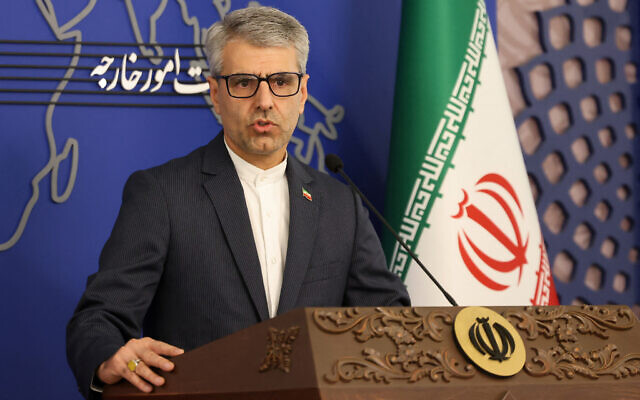
The spokesperson for the Iranian army declared that the country, which sees itself as victorious in recent conflicts, will establish its own conditions for ending the war. These remarks come at a time when international pressures on Iran are increasing, coinciding with statements from the US envoy to the Middle East, Steve Witkoff, who emphasized the importance of dialogue in the region.
These statements from Iran represent a clear challenge to the international community, as Tehran seeks to strengthen its position in upcoming negotiations. The Iranian spokesperson did not specify the details of the conditions but indicated that the country would work to ensure its national interests in any potential agreement.
Details of the Event
In a press conference, the Iranian army spokesperson clarified that the country would not accept conditions imposed from abroad and would determine the course of negotiations based on its strategic interests. These statements come at a time when tensions in the region are escalating, especially following a series of military and political events in neighboring countries.
On the other hand, US envoy Steve Witkoff reaffirmed the importance of dialogue among the concerned parties, noting that the United States seeks to achieve lasting stability in the region. These remarks reflect the US approach towards attempting to ease tensions, despite the significant challenges it faces.
Background & Context
Historically, Iranian-American relations have been marked by ongoing tensions, especially after the United States withdrew from the Iranian nuclear deal in 2018. Since then, Washington has imposed strict sanctions on Tehran, exacerbating the economic and political situation in the country.
Additionally, regional conflicts, such as the wars in Syria and Yemen, have complicated the situation further. Iran considers itself a major player in these conflicts, supporting armed groups in the region, which increases tensions with Western and Arab powers.
Impact & Consequences
Iran's statements come at a sensitive time, as they could lead to an escalation of tensions in the region. If Iran continues its hardline stance, it may face increased military and economic pressures, which could affect the stability of the entire region.
Conversely, if Iran responds to international calls for dialogue, it could open doors to new opportunities for negotiation and peace. However, this would require concessions from all parties involved, which seems difficult at the moment.
Regional Significance
Neighboring Arab countries, such as Saudi Arabia and the United Arab Emirates, are among the most affected by Tehran's statements. These countries are closely monitoring any developments that may impact their security and stability, especially amid ongoing tensions in the Gulf.
Any escalation by Iran could provoke strong reactions from these countries, potentially intensifying regional conflicts. At the same time, there are calls from some Arab nations for dialogue with Iran, in an effort to ease tensions and achieve stability in the region.
In conclusion, developments in this context remain of great interest, as any move by Iran or the United States could have far-reaching implications for regional and international security.