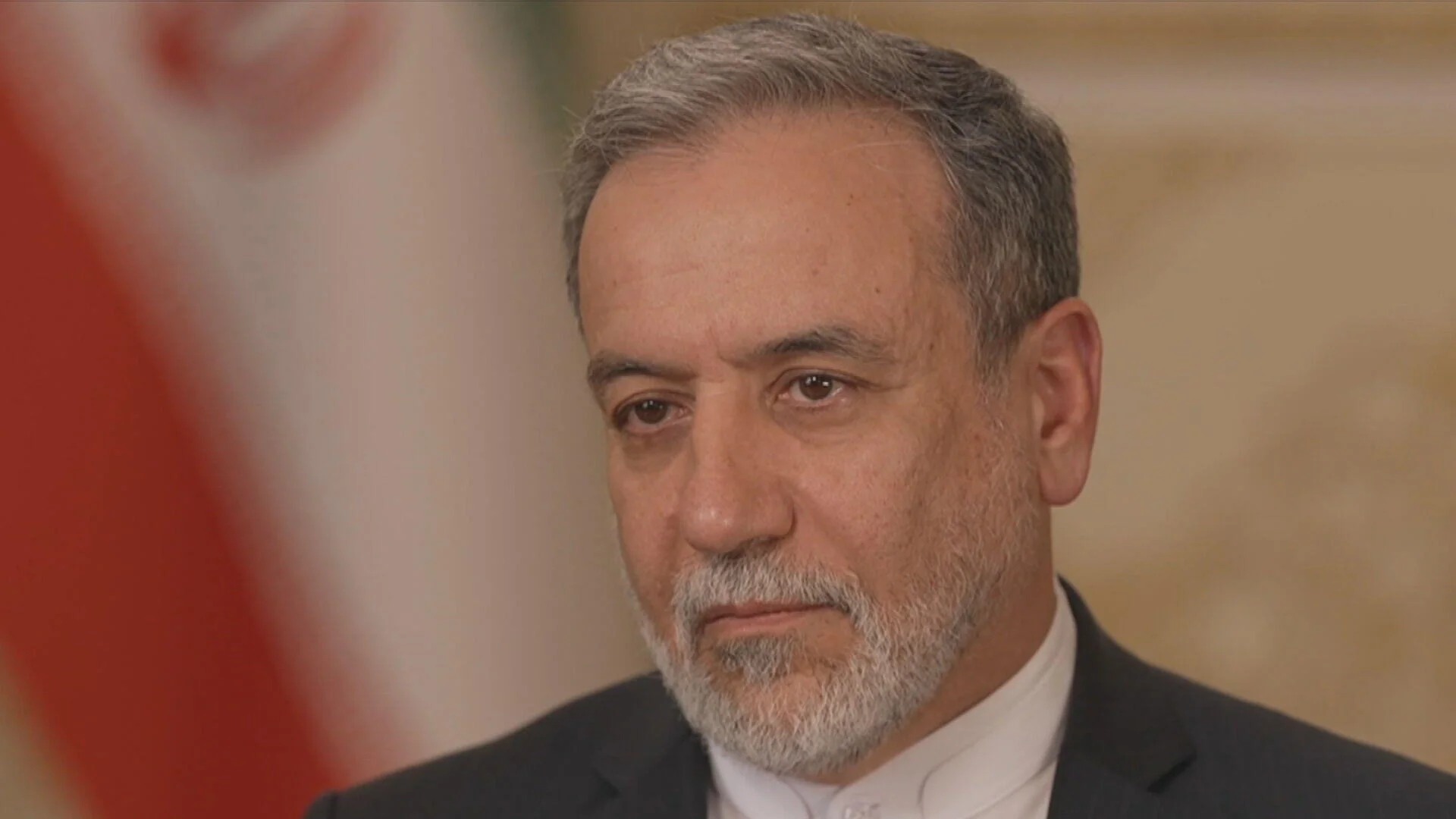
Iranian Foreign Minister Hussein Amir Abdollahian stated that his country will not accept a ceasefire as a temporary solution, emphasizing the need for clear conditions to end the conflict. Abdollahian clarified that Iran seeks to end the war through negotiation but rejects any agreements that do not include specific terms.
Abdollahian's statements come at a sensitive time in the region, where tensions between Iran and Western countries are escalating, alongside ongoing conflicts in neighboring countries. The Iranian minister indicated that his country is ready to cooperate with all relevant parties to achieve peace and stability in the region.
Details of the Event
During the press conference, Abdollahian reiterated that Iran has clear conditions for ending the war, stating that any agreement must include real guarantees against the renewal of conflict. He also pointed out that his country rejects the idea of a temporary ceasefire, considering it insufficient to address the underlying issues.
The Iranian minister also discussed the role of major powers in the region, stressing the importance of respecting the sovereignty of nations and refraining from interfering in their internal affairs. He noted that Iran aims to build relationships based on mutual respect with all countries.
Background & Context
The region has been experiencing increasing tensions for several years, with regional conflicts overlapping with international interests. These conflicts have exacerbated humanitarian crises in many countries, making it challenging to achieve peace and stability.
Historically, Iran has played a pivotal role in many regional conflicts, making it a target for criticism from some Western nations. Nevertheless, Iran asserts its right to defend its national interests and support its allies in the region.
Impact & Consequences
Abdollahian's statements may escalate tensions in the region, especially with the presence of international powers pursuing their own interests. Iran's rejection of a temporary ceasefire could hinder peace efforts being made by certain countries.
If the current situation persists, it may lead to worsening humanitarian crises and increased suffering for civilians in conflict-affected areas. Furthermore, the continuation of the war could negatively impact regional stability and heighten tensions between nations.
Regional Significance
Iran's statements regarding the conditions for ending the war are particularly significant for neighboring Arab countries, as they may affect relations between Iran and these nations. Amid ongoing tensions, Arab countries may find themselves compelled to reassess their policies towards Iran.
Additionally, the continuation of conflicts in the region could impact security and stability in Arab nations, necessitating intensified diplomatic efforts to achieve peace. The current situation requires Arab countries to work together to face common challenges and achieve regional stability.
In light of the recent statements from the Iranian foreign minister, it is evident that Iran is steadfast in its conditions for ending the war, placing further pressure on peace efforts in the region. The international community must address these challenges seriously to achieve stability and peace in the area.