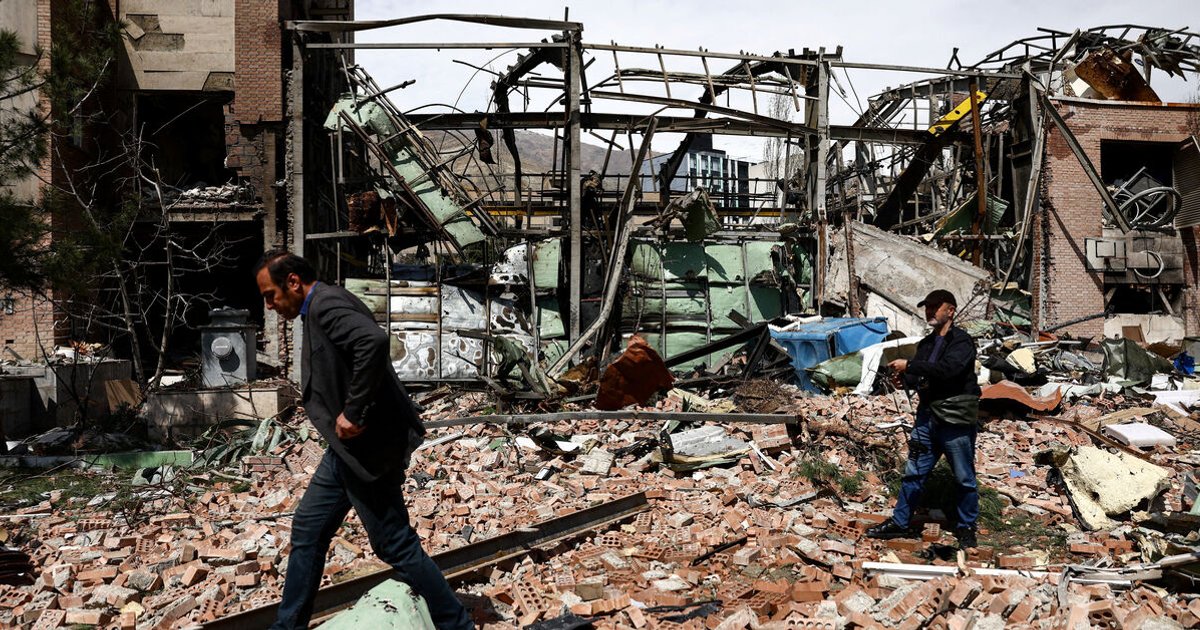
In a new step reflecting Iran's stance on the current situation, the spokesperson for the Iranian Foreign Ministry, Ismail Baqaei, announced that Tehran has established its demands and conditions in response to ceasefire proposals conveyed through intermediaries. Baqaei confirmed that negotiations cannot take place amid threats and ultimatums, indicating that Iran seeks to achieve its national interests through this process.
Baqaei clarified that Iran has already communicated a set of requirements through mediation channels, stressing that previous American demands, including the 15-point plan, have been rejected as they are deemed excessive.
Iran's Position on Ceasefire Negotiations
The Iranian government has consistently maintained that any discussions regarding a ceasefire must be conducted on equal footing, free from external pressures. Baqaei reiterated that Iran's national interests are paramount and that any proposals must respect its sovereignty. He expressed skepticism about the sincerity of the proposals, suggesting that they may be more about political maneuvering than genuine peace efforts.
Furthermore, Baqaei pointed out that the Iranian leadership is closely monitoring the situation and will respond accordingly to any developments. He emphasized that Iran's security and regional stability are intertwined, and any agreements must reflect this reality.
Background & Context
The backdrop of these developments is marked by escalating tensions in the region, particularly following a series of military confrontations and diplomatic standoffs. Since the Islamic Revolution in 1979, Iran has faced increasing pressure from the United States and its allies, leading to a complex web of conflicts and negotiations.
In recent months, various actors have attempted to mediate between Iran and its adversaries, aiming to de-escalate tensions. However, the Iranian government has remained firm in its stance, viewing external demands as attempts to undermine its sovereignty and influence in the region.
Impact & Consequences
The implications of Iran's firm stance on ceasefire negotiations could have far-reaching consequences for regional security. Analysts suggest that Iran's rejection of previous demands may exacerbate tensions, potentially leading to further military confrontations.
Moreover, this situation complicates the efforts of international actors seeking to mediate peace in the region. The Iranian leadership's insistence on its national interests may hinder diplomatic initiatives and prolong the cycle of conflict.
Regional Significance
Iran's position is crucial not only for its own national security but also for the broader geopolitical landscape of the Middle East. The country's influence extends across various conflicts, and its decisions can significantly impact the stability of neighboring states.
As the situation unfolds, regional powers and international stakeholders will be closely watching Iran's next moves. The potential for escalation remains high, and the need for a balanced approach to negotiations is more pressing than ever.
In conclusion, Iran's declaration of its demands in response to ceasefire proposals underscores its unwavering commitment to its national interests amidst external pressures. The outcome of this situation will likely shape the future of regional security and diplomatic relations.