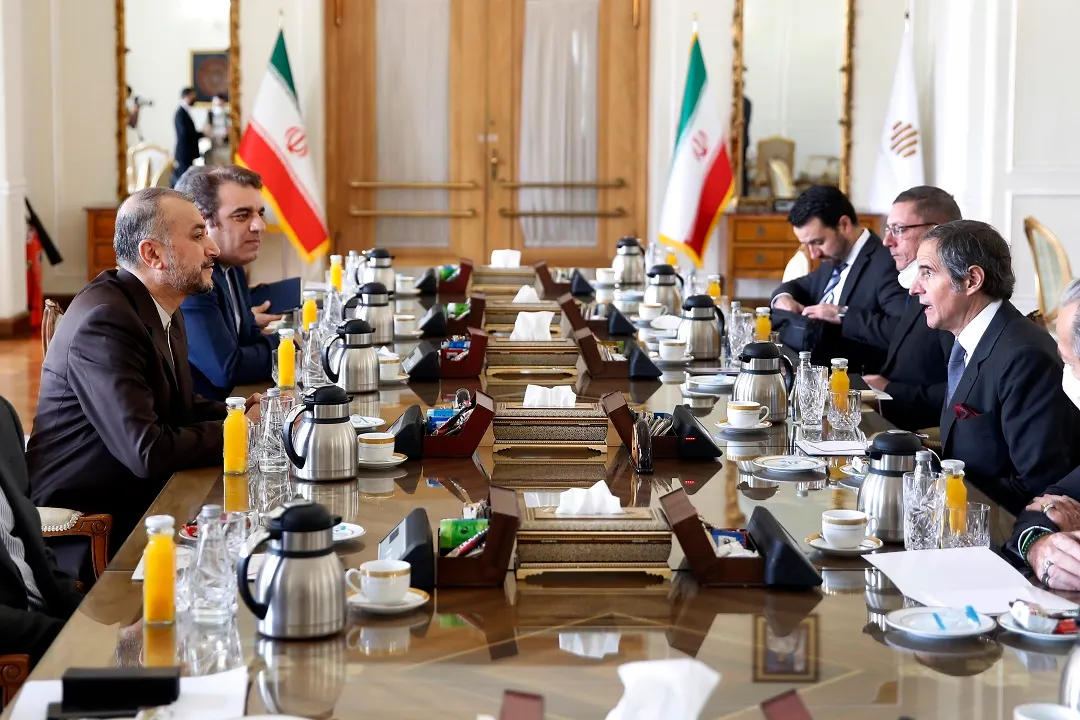
Iran has outlined preconditions for peace talks with the United States, indicating that these conditions represent a necessary foundation for any serious dialogue. This announcement comes amid rising tensions between Tehran and Washington, making it essential to define the pathway toward peace.
The conditions set by Iran include the necessity of lifting the economic sanctions imposed on it, as well as guarantees against interference in its internal affairs. These demands reflect Iran's steadfast position regarding what it perceives as a hostile policy from the United States.
Details of the Announcement
In official statements, the spokesperson for the Iranian Foreign Ministry confirmed that the country will not accept any talks unless these conditions are met. He pointed out that Iran seeks to achieve lasting peace, but this requires the United States to take tangible steps toward improving relations.
These statements come at a time when the region is experiencing increasing tensions, with fears of potential military escalation growing. Additionally, the economic situation in Iran is worsening due to sanctions, which increases pressure on the Iranian government.
Background & Context
Historically, relations between Iran and the United States have seen significant fluctuations, starting from the Islamic Revolution in 1979, which led to the severing of diplomatic ties. Since then, there have been multiple attempts to rebuild these relations, but they have often failed due to mutual distrust.
In recent years, tensions have notably increased following the United States' withdrawal from the Iranian nuclear agreement in 2018, which led to a ramping up of sanctions on Tehran. These developments have made it difficult for both parties to reach a comprehensive agreement.
Impact & Consequences
If Iran continues to maintain its stance of refusing dialogue without preconditions, this may exacerbate the situation in the region. Economic sanctions significantly affect the Iranian people and could lead to internal protests against the government.
On the other hand, these developments may impact the United States' allies in the region, such as Saudi Arabia and Israel, who view Iran as a threat to their security. Any escalation in tensions could provoke military responses from these allies.
Regional Significance
The Iranian-American relations are a crucial pivot in regional politics, affecting the stability of Gulf Arab states. Any escalation in tensions could negatively impact regional security, increasing risks for neighboring countries.
Furthermore, the continuation of sanctions on Iran may worsen the economic situation in the region, affecting trade and investment. Therefore, dialogue between Tehran and Washington is vital for regional stability.