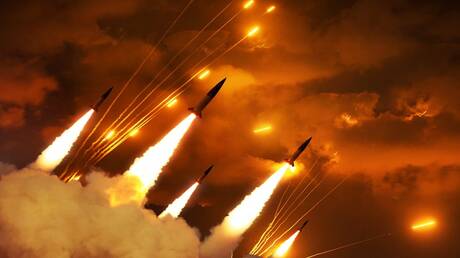
Iran's air defense systems have successfully intercepted hundreds of drones and fifth-generation fighters during what has been termed the 'Ramadan Battle', according to Brigadier General Ali Reza Elhami, commander of the Iranian Joint Air Defense Command. Elhami noted that these operations reflect Iran's advanced capabilities in air defense, which enhances its strategic position in the region.
These statements come at a time of increasing tensions in the region, as Iran seeks to bolster its military capabilities in response to regional and international challenges. Elhami added that the operations conducted during the 'Ramadan Battle' were part of extensive military exercises aimed at testing the effectiveness of Iranian defense systems.
Details of the Operation
During the 'Ramadan Battle', a variety of air defense systems were employed, including advanced radars and interceptor missiles, which contributed to notable successes in downing hostile aircraft. Elhami confirmed that these operations were not limited to defense alone but also included counterattacks against enemy targets.
He also pointed out that these exercises are part of Iran's strategy to enhance its military capabilities, especially in light of increasing threats from certain regional countries. These operations were conducted under challenging conditions, reflecting the Iranian forces' ability to handle various challenges.
Background & Context
Historically, Iran has experienced numerous military tensions with its neighbors, particularly amid ongoing conflicts in the region. These tensions have led Iran to strengthen its defensive capabilities, with air defense being a core element of its military strategy.
In recent years, Iran has invested significantly in developing air defense systems, including the production of advanced drones and interceptor missiles. These capabilities are part of Iran's efforts to enhance its national sovereignty and protect its territory from potential threats.
Impact & Consequences
The results of the 'Ramadan Battle' indicate Iran's ability to protect its airspace, which could affect the balance of power in the region. Additionally, Iran's success in downing hostile aircraft may alter the strategies of other countries in dealing with aerial threats.
These developments could potentially escalate tensions between Iran and other countries in the region, particularly those that perceive it as a threat. Furthermore, these operations may encourage Iran to continue developing its military capabilities, potentially leading to an arms race in the region.
Regional Significance
These developments are particularly significant for neighboring Arab countries, as they may impact their defense strategies. Amid ongoing tensions, some Arab nations may feel the need to enhance their military capabilities to address potential threats.
Moreover, Iran's success in bolstering its defensive capabilities could lead to a reevaluation of regional alliances, as some countries may seek to form new coalitions to confront shared challenges. Ultimately, the situation in the region remains volatile, necessitating proactive measures from Arab nations to ensure their security and stability.